
Stormwater Management Services in DC, Maryland & Virginia
If your project adds impervious surface — a new building, an addition, a parking lot, a driveway — most DC, Maryland, and Virginia jurisdictions require a stormwater management plan before they'll issue a permit. And the regulations vary significantly by jurisdiction. DC has its own stormwater requirements. Fairfax County uses different calculation methods than Arlington. Montgomery County has its own BMP standards. BOZ Engineering Group produces PE-stamped stormwater management plans designed for the specific jurisdiction where you're submitting — with calculations, BMP selection, and compliance documentation that satisfy the plan reviewer. And because BOZ also handles grading, geotechnical, and structural engineering in-house, your stormwater system is designed to work with your actual site grading and soil conditions, not generic assumptions.
Who This Is For
Developers required to comply with stormwater regulations — Your project triggers stormwater management requirements and you need calculations, BMP design, and compliance documentation that the jurisdiction accepts. You need an engineer who knows the local regulations, not one who's guessing.
Contractors building on sites that exceed impervious surface thresholds — The jurisdiction requires stormwater management because your project adds enough impervious area to trigger the threshold. You need the stormwater plan designed and submitted alongside your grading and site plans.
Commercial property owners redeveloping or expanding — Your redevelopment project triggers stormwater retrofit requirements. You need a stormwater management plan that brings the site into compliance while working within the constraints of the existing development.
Homeowners building additions or new homes — Your new construction or addition triggers stormwater requirements and you had no idea. You need an engineer who can determine what's required, design the solution, and get it through plan review without overcomplicating the process.
Architects and design professionals coordinating civil scope — You're managing the project design and need a civil engineer to handle the stormwater management scope, coordinated with the site plan and grading, and delivered on your timeline.
Not sure if your project triggers stormwater management requirements? Call us at +1 202-998-5445 — we'll check your jurisdiction's thresholds and tell you.
Why Jurisdiction-Specific Stormwater Design Prevents Permit Delays
Stormwater management is where more projects get delayed than almost any other civil discipline — and the reason is almost always the same: the stormwater plan was designed generically instead of for the specific jurisdiction. DC uses a Stormwater Retention Credit trading system and requires on-site retention. Fairfax County requires compliance with the Virginia Stormwater Management Program using specific calculation methods. Arlington County has its own set of BMP preferences and maintenance requirements. Montgomery County follows Maryland's stormwater regulations with county-specific additions. An engineer who doesn't know these differences submits a plan that doesn't meet the local standard — and gets it sent back.
The second failure point is coordination with grading and soil data. A stormwater BMP — whether it's a bioretention facility, an underground detention system, or a rain garden — has to function within the site grading. If the stormwater engineer designs a bioretention facility without knowing the actual grading contours, the facility doesn't drain properly. If the BMP is designed without geotechnical soil data, the infiltration rates are assumed — and if the soil doesn't actually infiltrate at the assumed rate, the system fails.
BOZ Engineering Group designs stormwater management in coordination with grading and geotechnical data under one roof. Your stormwater calculations use real soil permeability from your geotech report. Your BMPs are integrated into the grading plan — not added as an afterthought. And your stormwater compliance documentation is formatted for the specific jurisdiction where you're submitting. The result is a stormwater plan that passes review, functions as designed, and doesn't require multiple revision cycles.

Request a consult
call us now
Our Stormwater Management Process
Step 1: Jurisdiction Analysis & Threshold Determination
We start by identifying your jurisdiction's stormwater regulations, determining whether your project triggers stormwater management requirements, and defining exactly what level of compliance is needed. DC, Fairfax County, Arlington, Montgomery County, and Prince George's County all have different triggers and standards — we identify yours specifically.
Step 2: Site & Soil Analysis
We review your survey, site plan, and geotechnical data to understand existing drainage patterns, soil permeability, available space for BMPs, and site constraints. If BOZ is handling the geotech, soil data is already in hand. If not, we coordinate what's needed.
Step 3: Stormwater Calculations & BMP Selection
Our engineers perform pre-development and post-development runoff calculations using the jurisdiction-specific methodology, then select and size BMPs that meet the required retention, detention, and water quality standards. BMP selection accounts for soil conditions, available space, maintenance access, and jurisdiction preferences.
Step 4: Design Integration & Drawing Production
We design the stormwater BMPs within the site grading plan — ensuring they function hydraulically, drain properly, and integrate with the overall civil design. PE-stamped stormwater management plans and calculations are produced and formatted for the jurisdiction.
Step 5: Submission & Review Response
We support your stormwater management plan submission and respond to any reviewer comments. Stormwater reviews often generate detailed technical questions — we handle the calculation revisions, BMP modifications, and resubmissions directly.
What Your Stormwater Management Package Includes
Pre-development and post-development runoff analysis with calculations
Stormwater management calculations per jurisdiction-specific methodology
BMP (Best Management Practice) selection based on site conditions and jurisdiction requirements
Bioretention facility, rain garden, or infiltration design with sizing calculations
Detention/retention pond design or underground detention system design
Water quality compliance documentation and volume calculations
Stormwater pollution prevention plan where required
Integration with grading plan — BMPs placed and graded within the site design
Geotechnical soil data integration for infiltration-based BMP design
PE-stamped stormwater management plans formatted for your jurisdiction's submission
Start Your Stormwater Project
Request a Stormwater Management Quote
Whether your project requires bioretention, underground detention, or a full stormwater management package — BOZ Engineering Group designs it with jurisdiction-specific calculations, real soil data, and integration with your grading plan. No generic templates. No revision cycles from mismatched regulations.
Frequently Asked Questions
Questions About Stormwater Management — Answered by Our Team
Not sure if your project requires stormwater management, what a BMP is, or how much compliance costs? These are the questions we hear most from developers, contractors, and property owners.
How much does a stormwater management plan cost?
Stormwater management fees depend on site size, jurisdictional requirements, and the type of BMPs required. Residential, commercial, and large development projects are scoped individually. We provide a fixed fee after reviewing your project — call +1 202-998-5445.
How long does stormwater design take?
Residential stormwater plans take 3 to 4 weeks from the time we have a survey, site plan, and soil data. Commercial plans take 4 to 8 weeks. These timelines assume geotechnical data is available — if soil testing is needed first, add 1 to 2 weeks.
Does my project actually need stormwater management?
In most DMV jurisdictions, yes — if your project increases impervious surface beyond the jurisdiction's threshold. In DC, even smaller projects trigger stormwater retention requirements. Fairfax County, Arlington, and Montgomery County each have their own thresholds and requirements. Call us at +1 202-998-5445 and we'll tell you within minutes whether your project triggers stormwater compliance.
What is a BMP?
BMP stands for Best Management Practice — it's a stormwater facility or technique designed to manage runoff volume, rate, or quality. Common BMPs include bioretention facilities (rain gardens), underground detention vaults, permeable pavers, infiltration trenches, and dry ponds. We select the BMP that meets your jurisdiction's requirements and fits your site constraints.
Can I use underground detention instead of a surface BMP?
In many cases, yes — underground detention systems are a common solution when site space is limited. However, jurisdiction acceptance varies and some require surface BMPs for water quality treatment. We evaluate what your jurisdiction allows and design the best solution for your site.
Do I need geotechnical data for stormwater design?
For any BMP that relies on infiltration — bioretention, rain gardens, infiltration trenches — soil permeability data is critical. Without it, the BMP is sized on assumptions that may not match reality. BOZ handles geotech in-house, so we can test your soil and design the stormwater system based on actual infiltration rates.
What happens if my stormwater plan gets rejected?
We review the plan reviewer's comments, make the necessary calculation revisions or BMP modifications, and resubmit. Stormwater review comments are often highly technical — we handle them directly so you're not trying to interpret hydrology calculations yourself.
BOZ Engineering Group
From Feasibility to Final Permit.
Licensed in DC | Maryland | Virginia | Florida
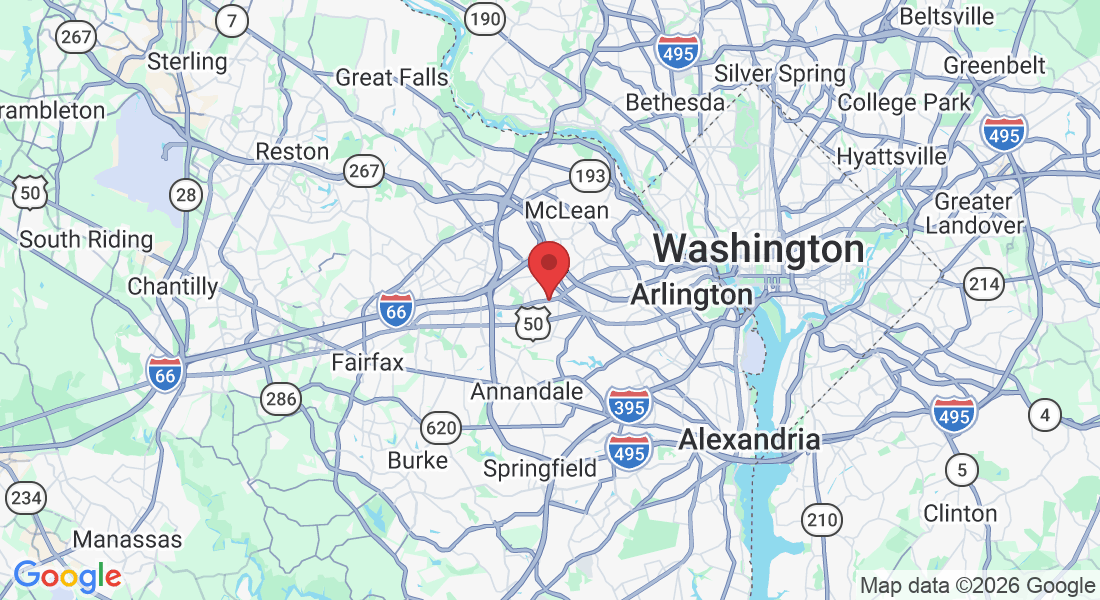
Address: 7181 Lee Hwy, Falls Church, VA 22046, United States
Email: [email protected]
Phone: +1 202-998-5445
Business hours
monday: 8am - 5pm
tuesday: 8am - 5pm
wednesday: 8am - 5pm
thursday: 8am - 5pm
friday: 8am - 5pm
Copyright 2026. BOZ Engineering Group. All rights reserved.
