
Utility Plan Design Services in DC, Maryland & Virginia
Every building needs water in and waste out — and the plans that make those connections happen need to be coordinated with everything else on the site. BOZ Engineering Group produces PE-stamped utility plans for residential and commercial projects across Washington DC, Maryland, and Virginia, including DC Water design plans — a specific requirement for any project connecting to DC's water and sewer system. What makes BOZ different is coordination: your utility plans are designed by the same team that produces your site plan, grading, and structural foundation — so utility trenches don't conflict with footings, pipe routes don't interfere with drainage, and connection points are established before construction begins. Water supply, sanitary sewer, and storm drain connections designed and coordinated under one roof.
Who This Is For
Developers needing utility connection plans — Your project requires water, sewer, and storm drain connections to public infrastructure. You need utility plans that satisfy both the jurisdiction's permit requirements and the utility authority's approval process.
Contractors coordinating water and sewer connections — You're building and need to know exactly where and how utility connections are made — tie-in points, pipe sizes, trench depths, and separation distances. You need plans that give the installer clear direction.
Property owners building in DC who need DC Water approval — Your project connects to DC's water and sewer system and requires DC Water design plans — a specific submission with specific requirements. BOZ handles this in-house.
Commercial property owners expanding or redeveloping — Your redevelopment requires new or modified utility connections, potentially including fire flow analysis, grease interceptor sizing, or utility relocation. You need an engineer who coordinates the utility scope with the site civil and structural plans.
Architects and design professionals needing utility coordination — You're managing the overall design and need utility plans that coordinate with the architectural, structural, and site civil plans — produced by the same team handling the rest of the civil scope.
Need utility plans or DC Water design plans? Call us at +1 202-998-5445 — we'll scope your utility requirements quickly.
Why Utility Plans Coordinated with Structural and Site Civil Matter
Utility plans look simple on paper — run a pipe from the building to the main. But in practice, utility design is where coordination failures create the most expensive field problems. A sanitary sewer line routed through the area where the structural foundation footing is going. A water supply trench that conflicts with the storm drainage system. Utility connection points that don't align with the site grading. These conflicts don't show up until the excavator is in the ground — and at that point, redesigning a utility route around a foundation costs real money and real time.
The second issue specific to the DC market is DC Water design plans. Projects connecting to DC's water and sewer infrastructure require a separate design plan submission to DC Water for approval before the jurisdiction issues permits. The DC Water design plan has its own format, requirements, and review process — and most engineering firms that don't work in DC regularly aren't familiar with it. Missing or incorrect DC Water design plans can delay a project by weeks while the submission is revised and re-reviewed.
BOZ Engineering Group eliminates both problems. Our utility plans are designed by the same civil team that produces your site plan and grading, coordinated with the structural team that's designing your foundation. Utility routes are verified against footing locations. Pipe elevations are coordinated with site grading. DC Water design plans are produced in-house by engineers who know the format and submit to DC Water regularly. The result is a utility package that connects without field conflicts and gets approved without unnecessary revision cycles.

Request a consult
call us now
Our Utility Plan Design Process
Step 1: Utility Requirements & Infrastructure Review
We start by identifying what utility connections your project requires — water, sanitary sewer, storm drain — and reviewing existing utility infrastructure in the area. For DC projects, we determine whether DC Water design plans are required and identify the specific submission requirements.
Step 2: Route Design & Coordination
Our civil engineers design utility routes from the building to the public mains, coordinating pipe locations with the site grading plan and structural foundation layout. If BOZ is handling the structural scope, we verify that no utility trench conflicts with footings, grade beams, or underground structures.
Step 3: Sizing & Calculations
We size water supply, sanitary sewer, and storm drain connections based on the building's demands, fixture counts, and jurisdictional requirements. For commercial projects, we perform fire flow calculations to verify hydrant capacity and fire suppression supply.
Step 4: DC Water Design Plans (DC Projects)
For projects connecting to DC's water and sewer system, we produce the DC Water design plans in the required format, showing proposed connections, pipe details, and compliance with DC Water standards. We handle the submission and review response process with DC Water directly.
Step 5: Drawing Production, PE Stamp & Submission
We produce PE-stamped utility plan drawings coordinated with the site plan, grading plan, and structural plans. Drawings are formatted for both the jurisdictional permit submission and the utility authority approval process. We respond to any review comments on the utility scope.
What Your Utility Plan Package Includes
Water supply connection design with pipe sizing, routing, and tie-in details
Sanitary sewer connection design with pipe grades, cleanout locations, and main connection
Storm drain connection design coordinated with site stormwater management
DC Water design plans for projects connecting to DC's water and sewer system
Utility trench details with separation distances between water, sewer, and storm
Fire hydrant location and fire flow calculations for commercial projects
Utility easement identification and coordination with existing infrastructure
Utility relocation plans where existing utilities conflict with new construction
Coordination with structural foundation plans to prevent trench-footing conflicts
PE-stamped utility plans formatted for jurisdiction and utility authority submission
Start Your Utility Plan
Request a Utility Plan Quote
Whether you need water and sewer connections for new construction, DC Water design plans for a DC project, or utility relocation for a redevelopment — BOZ Engineering Group designs it all in-house, coordinated with your site plan, grading, and structural foundation. No trench conflicts. No pipe-footing surprises. No DC Water submission headaches.
Frequently Asked Questions
Questions About Utility Plans & DC Water Design — Answered by Our Team
Not sure if you need utility plans, what DC Water design plans are, or how utility engineering fits into your project? These are the questions we hear most.
How much do utility plans cost?
Utility plan fees depend on the number of utility connections, site complexity, and whether DC Water design plans are included. Residential and commercial projects are scoped individually. We provide a fixed fee after reviewing your project — call +1 202-998-5445.
How long does it take to produce utility plans?
Residential utility plans take 2 to 4 weeks from the time we have a survey and site plan. Commercial plans take 4 to 8 weeks. DC Water design plan review adds its own timeline on top of the design phase — typically 4 to 6 weeks for DC Water's review process.
What are DC Water design plans?
DC Water design plans are a specific requirement for any project in Washington DC that connects to the public water and sewer system. They show the proposed connections in a format that DC Water reviews and approves before the jurisdiction issues permits. BOZ produces DC Water design plans in-house — this is a niche capability that many engineering firms outside DC don't offer.
Do I need a fire flow analysis?
Commercial projects and multi-family developments typically require fire flow analysis to verify that the water supply system can deliver enough flow for fire suppression. The fire marshal reviews this as part of the permit process. Residential projects generally don't require fire flow analysis unless they're in areas with known water pressure concerns.
Can utility plans be done separately from the site plan?
Technically yes, but it's significantly more efficient when they're designed together. Utility routes need to coordinate with site grading, building placement, and structural foundations. When BOZ produces utility plans as part of the site plan package, all of that coordination happens automatically.
What happens if my utility route conflicts with my foundation?
This is exactly why utility plans need to coordinate with structural plans. If a utility trench runs too close to a footing, the trench excavation can undermine the foundation. BOZ designs both utilities and structural under one roof, so we verify clearances and resolve conflicts during design — not during construction.
Do you handle the DC Water submission process?
Yes. We prepare the DC Water design plans, submit them on your behalf, and handle any review comments or revisions that DC Water requires. You don't have to navigate DC Water's review process yourself.
Can you coordinate with WSSC for Montgomery County projects?
Yes. For projects in Montgomery County and Prince George's County, utility connections go through WSSC Water (Washington Suburban Sanitary Commission). We coordinate with WSSC for water and sewer connection approvals, similar to how we handle DC Water design plans for DC projects.
BOZ Engineering Group
From Feasibility to Final Permit.
Licensed in DC | Maryland | Virginia | Florida
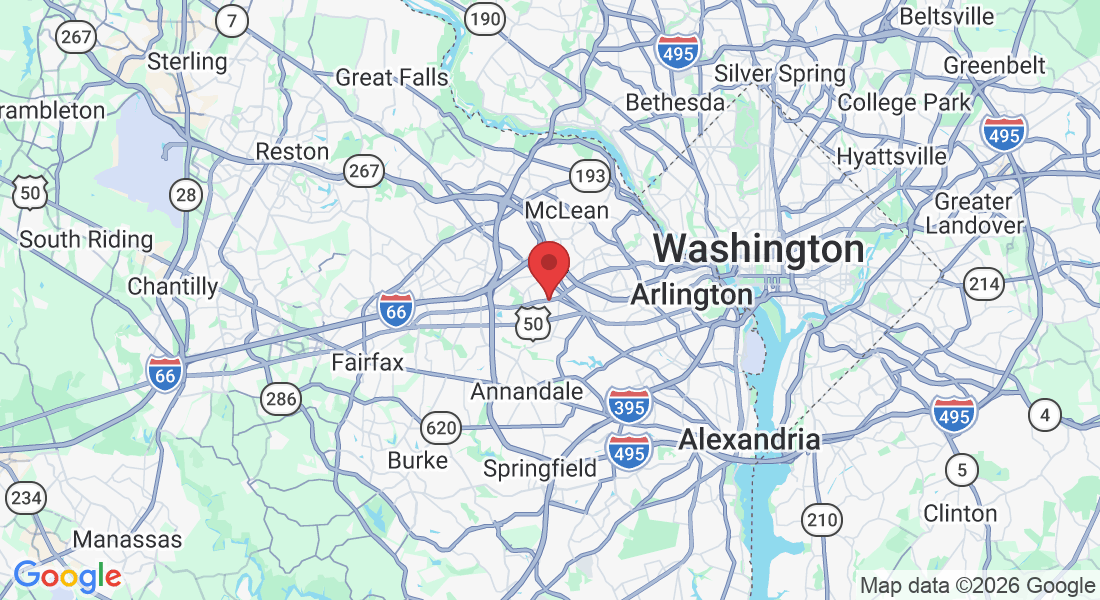
Address: 7181 Lee Hwy, Falls Church, VA 22046, United States
Email: [email protected]
Phone: +1 202-998-5445
Business hours
monday: 8am - 5pm
tuesday: 8am - 5pm
wednesday: 8am - 5pm
thursday: 8am - 5pm
friday: 8am - 5pm
Copyright 2026. BOZ Engineering Group. All rights reserved.
