
Foundation Recommendations Based on Geotechnical Data
This is the section of the geotechnical report that the structural engineer reads first — and the section that determines how your foundation gets built. BOZ Engineering Group provides engineering foundation recommendations for residential and commercial projects across Washington DC, Maryland, Virginia, and Florida. Based on subsurface investigation data and laboratory testing results, we provide specific recommendations for foundation type, allowable bearing capacity, minimum embedment depth, groundwater considerations, and site preparation requirements. These are not generic statements copied from a template — they are engineering recommendations derived from the actual soil conditions at your specific site. And because BOZ provides structural engineering under the same roof, these recommendations are written specifically to support the structural foundation design. The geotechnical engineer and the structural engineer are on the same team, and the foundation recommendations are the bridge between the soil data and the foundation drawings.
Who This Is For
Structural engineers designing foundations — You need geotechnical foundation recommendations that give you specific, usable data: allowable bearing pressure, recommended foundation type, minimum embedment depth, and any special considerations for the site. BOZ geotechnical recommendations are written by engineers who understand what the structural team needs.
Contractors bidding or building new construction — You need foundation recommendations to price the foundation work accurately. Knowing the foundation type, depth, and any special site preparation requirements before construction starts prevents surprises during excavation.
Homeowners building new homes or additions — Your project needs a foundation, and the foundation design needs to be based on what the soil can actually support. Foundation recommendations from a geotechnical investigation give your structural engineer the data to design it right.
Architects coordinating foundation design — You are managing a project where the foundation design depends on geotechnical data. Foundation recommendations from BOZ are coordinated with the structural and civil teams before they are finalized.
Developers assessing site feasibility — You need to understand what kind of foundation a site will require before you commit to purchasing or developing it. Foundation recommendations from a geotechnical investigation answer that question with engineering data, not guesses.
Need foundation recommendations for your project? Call +1 202-998-5445 — we will scope the geotechnical investigation and tell you exactly what we deliver.
Why Foundation Recommendations Should Come from Verified Soil Data
When a structural engineer designs a foundation without geotechnical data, they use presumptive bearing capacities from the building code. These are conservative, generic values intended as minimum standards for simple structures on common soils. They do not account for the actual soil type, density, moisture condition, or variability at your specific site. Sometimes the presumptive values are adequate. Sometimes they result in foundations that are oversized and over-budget. And sometimes — when the actual soil is weaker, more compressible, or higher in moisture than the code assumes — they result in foundations that settle, crack, or fail.
Foundation recommendations from a geotechnical investigation replace presumptive values with site-specific engineering data. The bearing capacity is calculated from field blow counts and laboratory shear strength data. The foundation type is recommended based on the actual soil conditions — spread footings when the bearing stratum is competent and shallow, continuous footings for linear load paths, mat foundations when loads are heavy and the soil needs load distribution, and deep foundations when competent soil is too far below grade for shallow foundations to reach. Embedment depth is recommended based on the depth of the bearing stratum, the frost line, and any special conditions like fill material or expansive soil at the surface.
Foundation recommendations are included as part of every BOZ geotechnical report. For clients who need standalone foundation recommendations — perhaps they have a geotechnical report from another firm and want a second opinion, or they need foundation guidance for a specific design question — BOZ provides standalone consultation scoped to the complexity of the evaluation. Call (202) 747-5599 for a project-specific quote.

Request a consult
call us now
Our Foundation Recommendation Process
Step 1: Subsurface Data Review
We review the subsurface investigation data — boring logs, blow counts, soil descriptions, and groundwater observations — to characterize the soil conditions at the building location. If BOZ performed the investigation, we have the data in-house. If another firm performed the investigation, we review their data thoroughly.
Step 2: Laboratory Data Integration
We integrate the laboratory test results — soil classification, shear strength, consolidation properties, and index properties — with the field data to develop a complete engineering characterization of the subsurface conditions beneath the proposed foundation.
Step 3: Bearing Capacity Analysis
We calculate the allowable bearing capacity for the proposed foundation type and loading conditions. This analysis accounts for soil strength, foundation geometry, embedment depth, groundwater, and appropriate factors of safety.
Step 4: Settlement Analysis
We estimate the total and differential settlement of the proposed foundation under the anticipated structural loads. This analysis determines whether the foundation will move within acceptable limits after construction and over the service life of the building.
Step 5: Recommendation Development & Coordination
We develop specific foundation recommendations — foundation type, bearing capacity, embedment depth, site preparation, and any special considerations. When BOZ is also handling the structural design, we coordinate these recommendations directly with the structural team before finalizing the report.
What Your Foundation Recommendations Include
Recommended foundation type (spread footings, continuous footings, mat, or deep foundations)
Allowable bearing capacity based on field and laboratory data
Minimum embedment depth for foundation elements
Settlement estimates under proposed loading conditions
Groundwater considerations and dewatering recommendations if applicable
Site preparation recommendations (fill removal, over-excavation, compaction)
Subgrade preparation and inspection criteria
Frost depth and seasonal considerations
Special recommendations for problematic soil conditions (expansive clay, organic soils, fill)
Direct coordination with structural engineer for foundation design implementation
the Right Foundation for Your Site
Get Foundation Recommendations Based on Real Soil Data
Whether you need a complete geotechnical investigation with foundation recommendations or a standalone consultation on existing data, we deliver the engineering your foundation design requires. Licensed in DC, Maryland, Virginia, and Florida.
Frequently Asked Questions
Foundation Recommendation Questions — Answered by Our Team
Whether you are a homeowner building new, a contractor waiting on a soil report, or a developer scoping a multi-building site — we have the answers you need to move forward with confidence.
How much do standalone foundation recommendations cost?
Foundation recommendations are included in every BOZ geotechnical report at no additional cost. For standalone consultations — a second opinion on an existing report, or a specific foundation question — BOZ provides a fixed fee proposal based on the complexity of the evaluation. Call +1 202-998-5445 to discuss your project.
How long does it take to receive foundation recommendations?
Foundation recommendations are delivered as part of the geotechnical report, which typically takes 2 to 4 weeks from field investigation. For standalone consultations based on existing data, turnaround is typically 1 to 2 weeks.
What is the difference between presumptive and calculated bearing capacity?
Presumptive bearing capacity is a generic code value based on soil type alone. Calculated bearing capacity is determined from site-specific field and laboratory data using established geotechnical engineering methods. Calculated values are more accurate and often allow for more economical foundation design because they reflect the actual soil conditions.
Can foundation recommendations reduce my construction cost?
Yes. When the actual bearing capacity is higher than the presumptive code value, footings can be smaller, which reduces concrete and excavation costs. When the actual conditions reveal that a simple foundation system will work, it prevents over-design. Geotechnical data often pays for itself in foundation construction savings.
What if the recommendations call for deep foundations?
If shallow foundations are not feasible due to weak or compressible soils, our recommendations will specify deep foundation options — driven piles, drilled shafts, or helical piles — with the required capacities and installation criteria. BOZ structural engineers can then design the deep foundation system based on these recommendations.
Can you review a geotechnical report from another firm?
Yes. We provide independent reviews of third-party geotechnical reports and foundation recommendations. If you have questions about the recommendations in an existing report or want a second opinion before proceeding with foundation design, contact us with the report and we will evaluate it.
BOZ Engineering Group
From Feasibility to Final Permit.
Licensed in DC | Maryland | Virginia | Florida
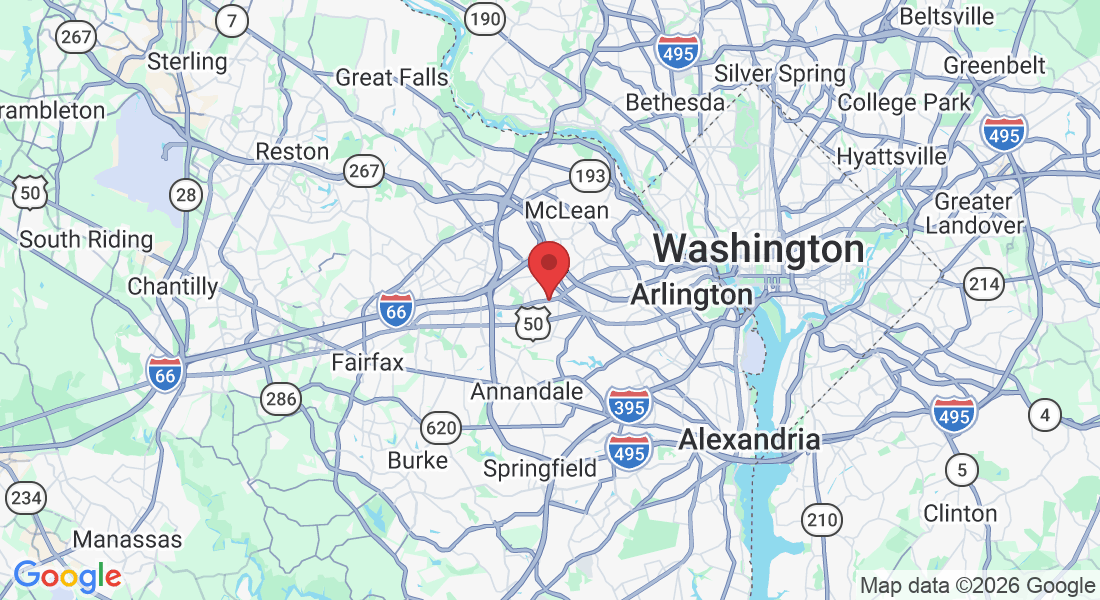
Address: 7181 Lee Hwy, Falls Church, VA 22046, United States
Email: [email protected]
Phone: +1 202-998-5445
Business hours
monday: 8am - 5pm
tuesday: 8am - 5pm
wednesday: 8am - 5pm
thursday: 8am - 5pm
friday: 8am - 5pm
Copyright 2026. BOZ Engineering Group. All rights reserved.
