
Geotechnical Reports for Residential & Commercial Projects
A geotechnical report is the document that tells everyone involved in your project — the structural engineer, the architect, the contractor, the permit reviewer — what the soil under your building actually is and what it can support. BOZ Engineering Group produces complete geotechnical reports for residential and commercial projects across Washington DC, Maryland, Virginia, and Florida. Each report includes subsurface investigation data, boring logs with soil descriptions and blow counts, laboratory test results, subsurface profiles showing how the soil layers are arranged beneath your site, groundwater observations, bearing capacity analysis, settlement estimates, and foundation recommendations. This is not a template report with generic language — every report is written for the specific site, the specific soil, and the specific building being designed. And because BOZ provides structural engineering under the same roof, the foundation recommendations in your geotech report flow directly into the foundation design. No translation between firms. No lost information. No assumptions.
Who This Is For
Homeowners building new homes or major additions — Your jurisdiction requires a geotechnical report before they will issue a building permit or approve foundation plans. You need a professional report that satisfies the permit requirement and gives your structural engineer the data to design your foundation.
Contractors who need a geotech report for permit — The permit office flagged the need for a geotechnical report and you need it delivered quickly. You need borings, lab testing, a report, and foundation recommendations that your structural engineer can use immediately.
Structural engineers who need verified soil data — You are designing a foundation and need bearing capacity data, settlement estimates, and soil classification from a geotechnical engineer. BOZ geotechnical reports are written specifically to support structural foundation design.
Developers starting new commercial projects — Your commercial project requires a complete geotechnical investigation as part of the design and permitting process. You need a report that addresses bearing capacity, settlement, groundwater, and any special geotechnical considerations for the site.
Architects managing multi-discipline coordination — You are coordinating geotechnical, structural, and civil engineering for a project. A geotechnical report from BOZ means the foundation recommendations are already coordinated with the structural and civil teams before the report is finalized.
Need a geotechnical report for your project? Call +1 202-998-5445 — we will tell you how many borings your site needs and deliver a timeline and fee.
Why Your Geotechnical Report Should Come from the Same Firm Designing Your Foundation
A geotechnical report is more than a permit requirement — it is the engineering basis for every foundation decision on your project. The bearing capacity determines footing sizes. The settlement analysis determines whether the building will move after construction. The groundwater data determines whether you need waterproofing, drainage, or dewatering. The soil classification determines whether the site needs over-excavation, compaction, or imported fill. When the geotechnical report is produced by a firm that has no connection to the structural engineer, the foundation recommendations are written in general terms. The structural engineer then interprets those recommendations — sometimes correctly, sometimes not.
When BOZ produces the geotechnical report and the structural foundation design, there is no interpretation gap. The geotechnical team writes foundation recommendations knowing exactly what the structural team needs. The structural team reads the recommendations knowing exactly what the geotechnical team found. If there is an unusual soil condition — high water table, expansive clay, fill material, or variable bearing capacity across the site — it is discussed and resolved between our teams before either report is finalized.
BOZ geotechnical reports include field investigation, laboratory testing, and the complete PE-stamped report with foundation recommendations. Residential and commercial projects are scoped individually with a fixed fee quoted before work begins. Turnaround is 2 to 4 weeks from field investigation to delivery of the final report.

Request a consult
call us now
Our Geotechnical Report Process
Step 1: Scoping & Investigation Planning
We review your project details, site location, and building plans to determine the number, depth, and location of soil borings. We develop an investigation plan and provide a fee and timeline. For residential projects, this typically means 2 to 4 borings. For commercial, 5 to 15 or more.
Step 2: Field Investigation
Our geotechnical team mobilizes to the site with a drill rig and performs SPT borings at the planned locations. Soil samples are collected at regular intervals, blow counts are recorded, and groundwater levels are measured during and after drilling. Field work typically takes 1 to 2 days for residential sites.
Step 3: Laboratory Testing
Soil samples are delivered to the laboratory for testing. Typical tests include grain size analysis, Atterberg limits, moisture content, and shear strength. Additional tests are performed as warranted by the soil conditions encountered. Lab testing typically takes 1 to 2 weeks.
Step 4: Analysis & Report Preparation
Our geotechnical engineers analyze the field and laboratory data, develop subsurface profiles, perform bearing capacity and settlement analyses, and prepare the complete geotechnical report. The report includes boring logs, lab results, soil profiles, and foundation recommendations.
Step 5: Delivery & Foundation Design Coordination
The PE-stamped geotechnical report is delivered to you, your structural engineer, and your architect. If BOZ is also handling the structural design, the foundation design begins immediately using the verified geotechnical data — no waiting, no back-and-forth, no misinterpretation.
What Your Geotechnical Report Includes
Subsurface investigation with SPT borings at specified locations
Detailed boring logs with soil descriptions, blow counts, and sampling depths
Laboratory test results for collected soil samples
Subsurface profiles showing soil stratification across the site
Groundwater observations and seasonal high water table assessment
Bearing capacity analysis for proposed foundation loading
Settlement analysis under proposed structural loads
Foundation type recommendations (spread footings, continuous footings, mat, or deep foundations)
Site preparation recommendations (fill, compaction, over-excavation)
PE-stamped geotechnical report formatted for jurisdiction submission
Get Your Soil Report Started
Get the Soil Data Your Foundation Design Needs
We will scope your geotechnical investigation, provide a fee and timeline, and deliver a PE-stamped report your structural engineer and permit office can use. Licensed in DC, Maryland, Virginia, and Florida.
Frequently Asked Questions
Geotechnical Report Questions — Answered by Our Team
Whether you are a homeowner building new, a contractor waiting on a soil report, or a developer scoping a multi-building site — we have the answers you need to move forward with confidence.
How much does a geotechnical report cost?
Every geotechnical report is scoped individually based on the number of borings, site complexity, and the testing program required. BOZ provides a fixed, written fee proposal after reviewing your project details — so you know the full investment before any field work begins. Residential and commercial projects are quoted separately based on scope. Call +1 202-998-5445 for a project-specific quote.
How long does it take to get a geotechnical report?
Typical turnaround is 2 to 4 weeks from field investigation to final report delivery. Field work takes 1 to 2 days, laboratory testing takes 1 to 2 weeks, and report preparation takes an additional 1 to 2 weeks.
What is included in a geotechnical report?
A complete BOZ geotechnical report includes boring logs, laboratory test results, subsurface profiles, groundwater observations, bearing capacity analysis, settlement analysis, and foundation recommendations. Every report is PE-stamped and formatted for jurisdiction submission.
How many borings does my site need?
Residential sites typically require 2 to 4 borings. Commercial sites typically require 5 to 15 depending on the building footprint and site variability. The exact number is determined during project scoping based on the building size, foundation type, and subsurface conditions.
What if the soil conditions are bad?
Bad soil conditions do not mean you cannot build — they mean you need a different foundation approach. If the investigation reveals weak soils, expansive clay, high water table, or fill material, the geotechnical report will recommend appropriate foundation solutions, which may include deeper footings, mat foundations, soil improvement, or deep foundations.
Can I use a geotechnical report from a neighboring property?
Generally no. Soil conditions can vary significantly over short distances. Most jurisdictions require a site-specific geotechnical investigation for each building project. A neighboring report can provide useful background information, but it does not replace an investigation on your specific site.
BOZ Engineering Group
From Feasibility to Final Permit.
Licensed in DC | Maryland | Virginia | Florida
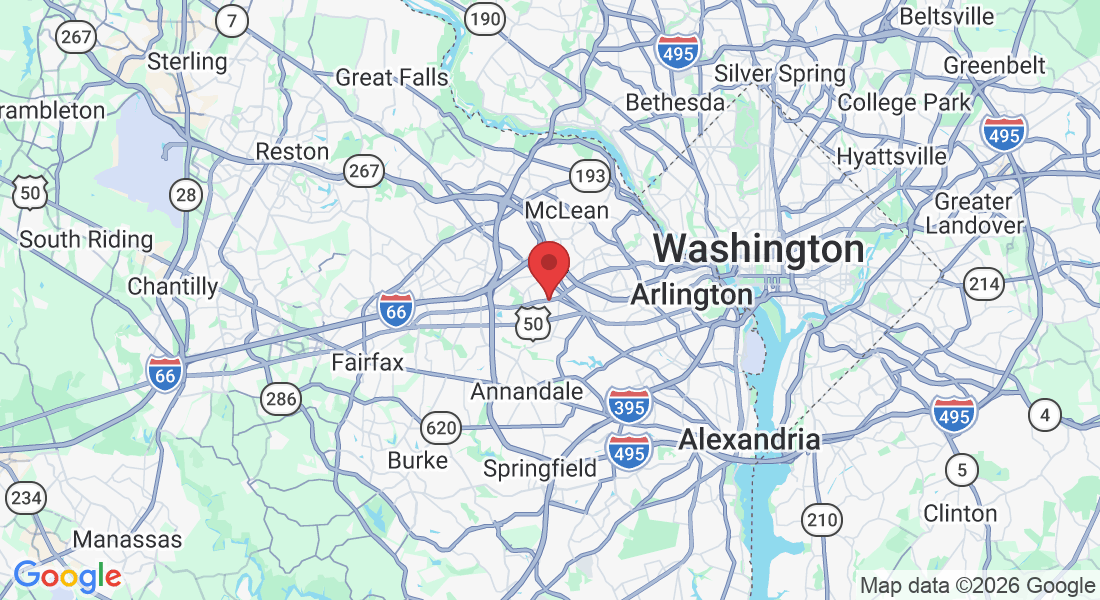
Address: 7181 Lee Hwy, Falls Church, VA 22046, United States
Email: [email protected]
Phone: +1 202-998-5445
Business hours
monday: 8am - 5pm
tuesday: 8am - 5pm
wednesday: 8am - 5pm
thursday: 8am - 5pm
friday: 8am - 5pm
Copyright 2026. BOZ Engineering Group. All rights reserved.
