
Soil Analysis & Testing Services in DC, Maryland & Virginia
Soil borings tell you what is in the ground. Laboratory testing tells you what it can do. BOZ Engineering Group provides comprehensive soil analysis and laboratory testing for residential and commercial projects across Washington DC, Maryland, Virginia, and Florida. Grain size distribution, Atterberg limits, moisture content, shear strength, consolidation, Proctor compaction — these are the tests that transform a soil sample from a jar of dirt into engineering data your foundation design can be built on. Every test is performed to ASTM standards, and the results feed directly into the geotechnical report and foundation recommendations. When BOZ is also handling the structural engineering, those lab results flow from the testing program to the foundation design without passing through a third-party firm. One team, verified data, and a foundation designed on facts instead of assumptions.
Who This Is For
Project teams that need soil classification data — You have soil samples from a subsurface investigation and need laboratory testing to classify the soil and determine its engineering properties. BOZ performs the full suite of geotechnical lab tests to ASTM standards.
Contractors who need compaction testing — You are placing fill or compacting subgrade and need Proctor compaction testing to establish the target density, or you need field density verification to confirm that compaction requirements are being met.
Structural engineers who need bearing capacity data — You are designing a foundation and need shear strength data and soil classification from laboratory testing to verify bearing capacity. BOZ soil testing provides the data structural foundation design requires.
Environmental consultants and civil engineers — You need soil classification or engineering property data for a project and want it from a geotechnical lab that understands how the data will be used in engineering analysis.
Homeowners and developers with permit requirements — Your jurisdiction requires a geotechnical investigation that includes laboratory testing as part of the permit process. We perform the testing, include the results in the geotechnical report, and deliver a PE-stamped package.
Need soil testing for your project? Call +1 202-998-5445 — we will determine which tests your soil samples require and provide a fee and timeline.
Why Laboratory Soil Testing Is Essential for Foundation Design
Soil is not a single material — it is a highly variable mixture of particles, water, and air, and its engineering behavior depends entirely on the specific combination present at your site. A soil that looks the same to the eye can have dramatically different bearing capacity, compressibility, and drainage characteristics depending on its grain size distribution, plasticity, moisture content, and density. Laboratory testing quantifies these properties so they can be used in engineering calculations instead of estimated from visual inspection or assumed from published tables.
Grain size analysis tells you whether the soil is gravel, sand, silt, or clay — and the proportions of each. Atterberg limits tell you how the fine-grained portion of the soil behaves when wet — whether it is stable or prone to volume change. Moisture content tells you how much water the soil holds and whether it is near saturation. Shear strength testing tells you how much load the soil can carry before it fails. Consolidation testing tells you how much the soil will compress under sustained load and how long it will take. Proctor compaction testing tells you the maximum density achievable and the moisture content needed to achieve it.
BOZ scopes every soil testing program individually based on the number of samples, the tests required, and the engineering questions the data needs to answer. Results are typically available 1 to 2 weeks after samples are received in the laboratory. All testing is performed to ASTM standards, and results are incorporated directly into the geotechnical report and foundation recommendations.

Request a consult
call us now
Our Soil Analysis & Testing Process
Step 1: Sample Receipt & Testing Program
Soil samples collected during the subsurface investigation are delivered to the laboratory. Our geotechnical engineers determine which tests are required for each sample based on the soil type encountered, the engineering questions to be answered, and the project requirements.
Step 2: Index Property Testing
We perform index tests — grain size analysis, Atterberg limits, and moisture content — to classify the soil and establish its basic engineering properties. These tests are the foundation of the soil classification and inform which additional engineering property tests are needed.
Step 3: Engineering Property Testing
Based on the index results and the project requirements, we perform engineering property tests — shear strength, consolidation, or Proctor compaction. These tests provide the data needed for bearing capacity calculations, settlement analysis, and compaction specifications.
Step 4: Data Analysis & Classification
Laboratory results are compiled, analyzed, and used to classify the soil per the Unified Soil Classification System. Our geotechnical engineers review all data for consistency and use the results to characterize the subsurface conditions for the geotechnical report.
Step 5: Integration with Geotechnical Report
All laboratory test results are incorporated into the geotechnical report with data tables, test summaries, and engineering analysis that connects the lab data to the foundation recommendations. When BOZ is also handling structural design, the lab data informs the foundation design directly.
What Your Soil Analysis Package Includes
Grain size distribution analysis (sieve and hydrometer) per ASTM D6913/D7928
Atterberg limits testing (liquid limit, plastic limit, plasticity index) per ASTM D4318
Natural moisture content determination per ASTM D2216
Unconfined compressive strength or direct shear testing per ASTM D2166/D3080
Consolidation testing for settlement analysis per ASTM D2435
Standard and Modified Proctor compaction testing per ASTM D698/D1557
Soil classification per Unified Soil Classification System (USCS)
Organic content determination where warranted
Test results formatted for inclusion in geotechnical report
Direct coordination with geotechnical and structural engineering teams
Get Your Soil Tested
Get the Lab Data Your Foundation Design Requires
Tell us where your project is and what you are building. We will design a soil testing program, provide a fixed-fee quote, and deliver verified data your foundation design can be built on.
Frequently Asked Questions
Soil Testing Questions — Answered by Our Team
Whether you are a homeowner building new, a contractor waiting on a soil report, or a developer scoping a multi-building site — we have the answers you need to move forward with confidence.
How much does soil testing cost?
Every testing program is scoped based on the number of samples and the specific tests your project requires. A basic program covering grain size, Atterberg limits, and moisture content is less intensive than programs requiring shear strength, consolidation, or Proctor compaction testing. BOZ provides a fixed fee proposal after reviewing your project requirements. Call +1 202-998-5445 for a project-specific quote.
How long does laboratory testing take?
Laboratory results are typically available 1 to 2 weeks after samples are received. Some specialized tests may take longer. Results are incorporated into the geotechnical report, which typically takes an additional 1 to 2 weeks to complete.
What tests does my project need?
The testing program depends on the soil type and the engineering questions to be answered. At minimum, most projects require grain size analysis, Atterberg limits, and moisture content for soil classification. Projects requiring bearing capacity verification need shear strength testing. Projects with settlement concerns need consolidation testing. We determine the appropriate testing program during project scoping.
What is a Proctor compaction test?
The Proctor compaction test determines the maximum dry density and optimum moisture content for a given soil. It is used to establish compaction specifications for structural fill, subgrade, and base course. Standard Proctor (ASTM D698) and Modified Proctor (ASTM D1557) use different compactive efforts for different applications.
Are the tests performed to ASTM standards?
Yes. All BOZ soil testing is performed in accordance with applicable ASTM standards. This ensures the results are technically defensible and accepted by plan reviewers, structural engineers, and permitting jurisdictions.
Can you test soil samples that we already have?
Yes, provided the samples have been properly stored and have not dried out or been disturbed. Contact us with details about the samples — how they were collected, how they have been stored, and what tests you need — and we will advise whether the samples are suitable for testing.
BOZ Engineering Group
From Feasibility to Final Permit.
Licensed in DC | Maryland | Virginia | Florida
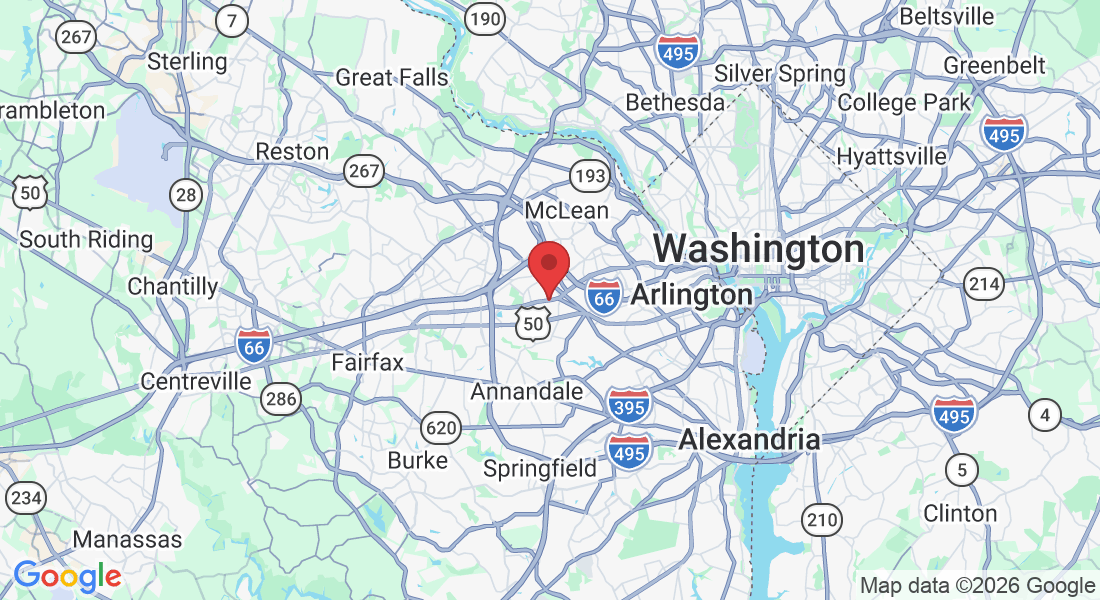
Address: 7181 Lee Hwy, Falls Church, VA 22046, United States
Email: [email protected]
Phone: +1 202-998-5445
Business hours
monday: 8am - 5pm
tuesday: 8am - 5pm
wednesday: 8am - 5pm
thursday: 8am - 5pm
friday: 8am - 5pm
Copyright 2026. BOZ Engineering Group. All rights reserved.
