
Mechanical Engineering & HVAC Design Services in DC, Maryland & Virginia
An HVAC system designed on paper doesn't mean it fits in the building. Ductwork has to route around beams, equipment needs structural support, and penetrations through floors and walls need to avoid load paths — details that get missed when mechanical engineering is done by a firm that never sees the structural plans. BOZ Engineering Group provides PE-stamped mechanical engineering and HVAC design for residential and commercial projects across Washington DC, Maryland, and Virginia, coordinated directly with the structural framing. We handle everything from Manual J load calculations for a single-family home to full commercial HVAC design with kitchen ventilation and energy code compliance. Every system is sized correctly, routed realistically, and documented for permit approval.
Who This Is For
Contractors needing HVAC plans for permit — Your project requires PE-stamped mechanical plans showing the HVAC system design, ductwork layout, and load calculations. You need plans that pass permit review and actually match the structural conditions of the building.
Homeowners adding or replacing HVAC systems — You're building an addition, finishing a basement, or replacing an aging HVAC system, and when a new system or a larger addition calls for mechanical plans with load calculations, you need clear documentation that covers what's being installed and proves it's sized correctly.
Architects needing mechanical coordination — You're designing a project and need a mechanical engineer who coordinates with structural — not one who designs ductwork in a vacuum and hands you a set of plans that conflicts with the framing.
Commercial property owners upgrading HVAC — You're replacing rooftop units, upgrading a split system, or redesigning mechanical systems for a renovated space. When the work calls for plans, you need drawings that document the new system and satisfy the building department, and ours are PE-stamped.
Restaurant owners needing kitchen ventilation — Your commercial kitchen requires a hood and exhaust system designed to meet mechanical and fire codes. You need an engineer who understands makeup air, grease duct routing, and fire suppression integration — not just generic hood specs.
Not sure if your project needs mechanical engineering or what the permit requires? Call us at +1 202-998-5445 — we'll tell you exactly what you need.
Why HVAC Design Coordinated with Structural Plans Matters
The most common mechanical engineering problem has nothing to do with the HVAC system itself — it's where the ductwork goes. In residential and commercial buildings across DC, Maryland, and Virginia, we regularly see HVAC designs that look perfect on their own sheet but fall apart when you overlay them on the structural plans. Main trunk ducts routed through areas where floor joists need to run. Equipment placed on walls that carry lateral load. Return air chases that conflict with structural headers. These aren't edge cases — they're the normal outcome when mechanical and structural engineering happen in separate offices.
The other failure point is system sizing. An HVAC system designed without proper load calculations — Manual J for heating and cooling loads, Manual D for duct sizing, Manual S for equipment selection — is a guess. Undersized systems can't keep the building comfortable. Oversized systems short-cycle, waste energy, and fail prematurely. Both scenarios create callbacks, warranty claims, and unhappy occupants. And when the jurisdiction requires energy code compliance documentation, an improperly sized system won't pass plan review.
BOZ Engineering Group designs mechanical systems with full load calculations and coordinates every duct route, equipment location, and penetration against the structural plans. If we're also doing the structural engineering — which is the case for 85% of our projects — that coordination happens in real time as both sets of plans are developed. The result is a mechanical design that fits the building, meets code, and doesn't generate field conflicts.

Request a consult
call us now
Our Mechanical Engineering Process
Step 1: Project Review & Scope Definition
We review your architectural plans, existing conditions, and project requirements to determine the mechanical scope. We identify the HVAC system type, confirm what load calculations are needed, and flag any special requirements like kitchen ventilation, server room cooling, or medical-grade air filtration. You'll get a defined scope and fee before we start.
Step 2: Load Calculations & System Sizing
Our engineers perform heating and cooling load calculations based on the building's envelope, orientation, insulation, windows, and occupancy. For residential projects, this means Manual J, D, and S calculations. For commercial, we follow ASHRAE methods. Equipment is selected based on actual load — not rules of thumb.
Step 3: Ductwork Layout & Structural Coordination
We design the ductwork layout and route it through the building, coordinating every run against the structural framing plans. This is where most mechanical designs fail — and where BOZ's integrated approach eliminates conflicts before they reach the field. Equipment locations, penetrations, and support requirements are verified against the structure.
Step 4: Drawing Production & PE Stamp
We produce PE-stamped mechanical drawings showing the complete HVAC system — equipment locations, duct routing, supply and return registers, thermostat locations, and ventilation details. Plans are formatted for the specific jurisdiction — DC, Fairfax County, Arlington, Montgomery County — and include all required energy code compliance documentation.
Step 5: Permit Support & Reviewer Response
We support your permit submission and respond to any mechanical plan reviewer comments. Whether the reviewer asks for additional load calculation details, revised duct sizing, or energy code clarifications, we handle it directly and resubmit.
What Your Mechanical Engineering Package Includes
HVAC system design tailored to building type and occupancy
Heating and cooling load calculations (Manual J, Manual D, Manual S)
Ductwork layout and sizing coordinated with structural framing
Ventilation and air filtration design meeting IECC and IMC requirements
Kitchen hood and exhaust system design for commercial kitchens
Equipment selection and specification (tonnage, BTU, airflow)
Energy code compliance documentation for permit submission
HVAC controls design and thermostat zoning layout
PE-stamped mechanical drawings formatted for your jurisdiction
Plan reviewer response support if comments are issued
Start Your Mechanical Project
Request a Mechanical Engineering Quote
Whether you're designing HVAC for new construction, replacing an existing system, or engineering kitchen ventilation for a restaurant — BOZ Engineering Group delivers PE-stamped mechanical plans coordinated with your structural design. Properly sized. Properly routed. Permit-ready.
Frequently Asked Questions
Mechanical Engineering Questions — Answered by Our Team
Not sure what mechanical engineering your project requires, what it costs, or whether you need load calculations? These are the questions we hear most from contractors, homeowners, and property owners across DC, Maryland, and Virginia.
Do I need mechanical engineering plans for an HVAC replacement?
Usually not for a straight replacement in a home. Virginia doesn't require a permit to replace a mechanical appliance, such as a heat pump, that isn't gas- or oil-fired in a house, DC doesn't require mechanical plans for in-kind replacements, and Montgomery County can issue one-for-one replacement permits online right away. Load calculations come in with new work: Montgomery County requires a Manual J heating and cooling load calculation when ductwork is installed or added, Fairfax requires a residential HVAC certification before it permits a new system, and Arlington requires mechanical plans with load calculations for a new system or an addition over 500 square feet, and accepts them from the HVAC contractor. We can confirm what your jurisdiction needs in a quick call, and prepare the calculations when your project calls for an engineer.
How much does mechanical engineering cost?
Mechanical engineering fees depend on system complexity and building size. Projects involving kitchen ventilation, multi-zone systems, or specialized environments like server rooms require more engineering than a standard residential HVAC design. We provide a fixed fee before starting — call +1 202-998-5445 for a project-specific quote.
How long does it take to get HVAC plans?
Residential mechanical plans take 2 to 3 weeks from the time we have architectural drawings. Commercial mechanical design takes 3 to 6 weeks depending on system complexity. These timelines assume we have the floor plans and any existing system information at kickoff.
What's included in HVAC load calculations?
For residential projects, we perform Manual J (heating and cooling load calculation), Manual D (duct sizing), and Manual S (equipment selection). For commercial projects, we follow ASHRAE methods for load calculation and system design. For a home, the result is documentation showing your system is sized the way the residential code requires, which Arlington and Fairfax, for example, ask to see before permitting a new system.
Can you design kitchen ventilation for a restaurant?
Yes. Restaurant kitchen ventilation is one of our core mechanical services. We design the complete system — Type I hoods for cooking equipment, Type II hoods for dishwashers and steam, makeup air systems, grease duct routing, and fire suppression coordination. All designed to meet IMC, local fire code, and health department requirements.
What's the difference between residential and commercial HVAC design?
Commercial HVAC design involves larger, more complex systems — rooftop units, variable air volume systems, dedicated ventilation, exhaust systems, and building automation controls. The engineering is more detailed, the code requirements are more stringent, and the coordination with other building systems is more critical. Commercial projects typically take longer and cost more to engineer.
Do you coordinate mechanical with structural plans?
This is our primary advantage. Every mechanical design we produce is coordinated with the structural plans — duct routes verified against framing, equipment locations confirmed for structural support, and penetrations checked against load paths. If we're also doing the structural, which is the case for the majority of our projects, the coordination is seamless.
What areas do you serve for mechanical engineering?
BOZ is licensed in DC, Maryland, Virginia, and Florida. We regularly serve Washington DC, Arlington, Falls Church, Fairfax, Alexandria, Tysons, McLean, Bethesda, Silver Spring, Rockville, and throughout the DMV. In Florida, we serve Tampa, Miami, Fort Lauderdale, Orlando, Jacksonville, and Palm Beach.
BOZ Engineering Group
From Feasibility to Final Permit.
Licensed in DC | Maryland | Virginia | Florida
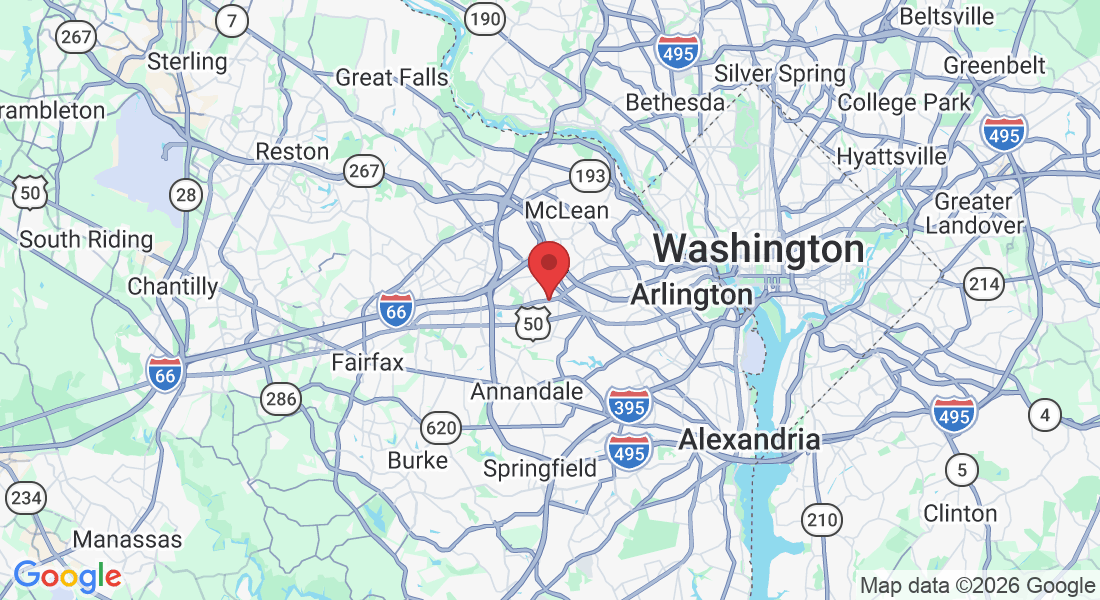
Address: 7181 Lee Hwy, Falls Church, VA 22046, United States
Email: [email protected]
Phone: +1 202-998-5445
Business hours
monday: 8am - 5pm
tuesday: 8am - 5pm
wednesday: 8am - 5pm
thursday: 8am - 5pm
friday: 8am - 5pm
Copyright 2026. BOZ Engineering Group. All rights reserved.
