
Plumbing Engineering Design Services in DC, Maryland & Virginia
Plumbing systems run through the most structurally sensitive parts of a building — floors, load-bearing walls, and foundation elements. When plumbing is designed without reference to the structural plans, pipes get routed through beams, floor penetrations land in the wrong locations, and drain slopes conflict with floor framing depth. BOZ Engineering Group provides PE-stamped plumbing engineering design for residential and commercial projects across Washington DC, Maryland, and Virginia, with every pipe route, fixture location, and penetration coordinated against the structural framing. From kitchen and bathroom renovations to commercial grease trap design and medical gas systems, we deliver plumbing plans that pass plan review and build without conflicts.
Who This Is For
Contractors needing plumbing plans for permit — Your project requires PE-stamped plumbing plans showing fixture layouts, supply and drainage systems, and code compliance documentation. You need plans that are coordinated with the structural and mechanical drawings so there are no conflicts in the field.
Homeowners doing kitchen or bathroom renovations — You're renovating a kitchen, adding a bathroom, or relocating plumbing fixtures, and some permit offices want the new fixture layout shown on the plans. You need clear, permit-ready documentation.
Architects coordinating plumbing with design — You're designing a project with specific plumbing requirements and need an engineer who understands how pipe routes interact with structural walls, floor framing, and mechanical chases — not one who drops fixtures on a plan without checking what's behind the walls.
Restaurant owners needing grease trap and commercial plumbing — Your restaurant needs a grease interceptor, commercial fixture layouts, and plumbing that meets health department and building code requirements. You need an engineer who has done restaurant plumbing before.
Developers and commercial property owners — You need plumbing engineering for a new building, a major renovation, or a change of use that requires new or redesigned plumbing systems. You need PE-stamped plans from a firm that coordinates plumbing with structural and mechanical.
Not sure if your project needs plumbing engineering? Call us at +1 202-998-5445 — we'll tell you exactly what the permit office requires.
Why Plumbing Design Coordinated with Structural Framing Matters
Plumbing systems require penetrations — holes through floors, walls, and structural elements for supply pipes, drain lines, and vent stacks. When those penetrations aren't coordinated with the structural plans, the results range from inconvenient to structurally damaging. We've seen drain lines routed through floor joists in locations that weaken the framing. Supply pipes punched through load-bearing walls without headers. Waste stacks that conflict with structural columns. These problems don't come from bad plumbers — they come from plumbing designs that were produced without any reference to what's holding the building up.
The second issue is incomplete plumbing packages getting rejected by plan reviewers. When plumbing drawings are part of the submission, reviewers check the numbers behind them: Arlington, for example, sends many plumbing permits to its Department of Environmental Services to validate the drainage fixture units, and when a restaurant's plans show a grease interceptor, WSSC Water expects its sizing calculations. Healthcare projects need medical gas system documentation. Missing any of these elements means comment letters, resubmissions, and delays that push your project timeline back weeks.
BOZ Engineering Group designs plumbing systems with full awareness of the structural framing. Every penetration is coordinated with load paths. Pipe routes are planned around beams and joists rather than through them. And when plumbing shares wall chases with HVAC systems — which is common in most buildings — we coordinate both disciplines to make sure everything fits. The plumbing plans we deliver are complete, code-compliant, and structurally coordinated.

Request a consult
call us now
Our Plumbing Engineering Process
Step 1: Project Review & Fixture Identification
We review your architectural plans and identify every plumbing fixture — sinks, toilets, showers, dishwashers, laundry connections, commercial equipment, and specialty fixtures. We determine the complete fixture count, identify supply and drainage requirements, and flag any special systems like gas piping, grease traps, or medical gas.
Step 2: System Design & Pipe Sizing
Our engineers design the plumbing system from fixtures back to the building connection — supply piping sized for pressure and flow, drainage piping sized for fixture unit loads, vent piping configured for proper drainage function. Every pipe is sized per code with calculations documented for the plan reviewer.
Step 3: Structural Coordination & Penetration Planning
We coordinate every pipe route and penetration against the structural framing plans. Floor penetrations are located between joists or in designated chase locations. Wall penetrations avoid load paths and shear elements. If we're also doing the structural engineering, this coordination happens in real time during the design process.
Step 4: Drawing Production & PE Stamp
We produce PE-stamped plumbing drawings showing fixture locations, pipe routing, riser diagrams, and connection details. Plans are formatted for the jurisdiction where you're submitting — DC, Fairfax County, Arlington, Montgomery County — with all required code compliance documentation included.
Step 5: Permit Support & Comment Response
We support your permit submission and respond directly to any plumbing plan reviewer comments. Whether the reviewer asks for revised pipe sizing calculations, additional grease interceptor documentation, or code clarifications, we handle it and resubmit.
What Your Plumbing Engineering Package Includes
Plumbing fixture layouts coordinated with architectural and structural plans
Sanitary and drainage system design with pipe sizing and slope calculations
Water supply system design with pressure and flow verification
Hot water system design and water heater sizing
Gas piping design and sizing where applicable
Grease interceptor and grease trap design for commercial kitchens
Backflow prevention device specification and placement
Storm drainage connection design where required
PE-stamped plumbing drawings formatted for your jurisdiction
Plan reviewer response support if comments are issued
Start Your Plumbing Project
Request a Plumbing Engineering Quote
Whether you're designing plumbing for new construction, engineering a restaurant grease trap, or producing plans for a kitchen renovation — BOZ Engineering Group delivers PE-stamped plumbing plans coordinated with your structural framing. Every penetration planned. Every conflict resolved. Permit-ready.
Frequently Asked Questions
Plumbing Engineering Questions — Answered by Our Team
Not sure if your project needs plumbing engineering, what the permit office requires, or what it costs? These are the questions we hear most from contractors, homeowners, and restaurant owners across DC, Maryland, and Virginia.
Do I need plumbing engineering plans for a bathroom renovation?
Usually not for a house. In Fairfax, Arlington and WSSC Water's Maryland service area, the rules don't call for engineered plumbing plans on a home of up to three stories: Fairfax County lets a licensed master plumber design it, WSSC Water generally doesn't require construction documents for houses, and Arlington asks for the fixture layout on the architectural plans. It makes sense to bring in an engineer when the bathroom is part of a structural addition or new pipe routes would cut into beams or joists, and a reviewer can also ask for engineered plans. A simple fixture-for-fixture replacement in the same location usually doesn't need engineering at all.
How much does plumbing engineering cost?
Plumbing engineering fees depend on the number of fixtures and complexity of the system. Restaurant plumbing with grease interceptors and healthcare plumbing with medical gas require more engineering than standard residential systems. We provide a fixed fee based on your project scope — call +1 202-998-5445.
How long does it take to get plumbing plans?
Residential plumbing plans take 2 to 3 weeks from the time we have architectural drawings. Commercial plumbing design takes 3 to 6 weeks depending on complexity. Projects with specialized systems like medical gas or commercial grease interceptors may require additional time for equipment coordination.
Do I need grease trap engineering for a restaurant?
If the kitchen has fixtures that discharge grease, you need grease control sized to the plumbing code. The code requires commercial kitchen fixtures that discharge grease to drain through a grease interceptor or an automatic grease removal device. In DC and in WSSC Water's Maryland service area, the water utility enforces it: DC Water requires food service establishments to install and maintain a grease interceptor unless it approves otherwise, and WSSC Water expects sizing calculations on the plans whenever a grease interceptor is shown. We provide the sizing calculations and specify the interceptor as part of the plumbing package.
Can you design plumbing for a basement bathroom?
Yes. Basement bathrooms below the main sewer line require a sewage ejector or pump system. We design the ejector basin, size the pump, specify the discharge piping, and produce PE-stamped plans for permit. This is a common project type we handle regularly.
Do you coordinate plumbing with structural plans?
This is one of our primary advantages. Every plumbing design we produce is coordinated with the structural framing — pipe routes checked against joists and beams, penetrations located between structural members, and waste stacks routed through designated chases rather than through load paths. If we're doing the structural, this coordination is seamless.
What codes do you design plumbing to?
We design to the International Plumbing Code (IPC) along with all local amendments for your jurisdiction. DC, Fairfax County, Arlington County, Montgomery County, and other jurisdictions each adopt the IPC with local modifications, and we design to the version applicable to your project. For gas piping, we also comply with the International Fuel Gas Code.
What areas do you serve for plumbing engineering?
BOZ is licensed in DC, Maryland, Virginia, and Florida. We regularly serve Washington DC, Arlington, Falls Church, Fairfax, Alexandria, Tysons, McLean, Bethesda, Silver Spring, Rockville, and throughout the DMV. In Florida, we serve Tampa, Miami, Fort Lauderdale, Orlando, Jacksonville, and Palm Beach.
BOZ Engineering Group
From Feasibility to Final Permit.
Licensed in DC | Maryland | Virginia | Florida
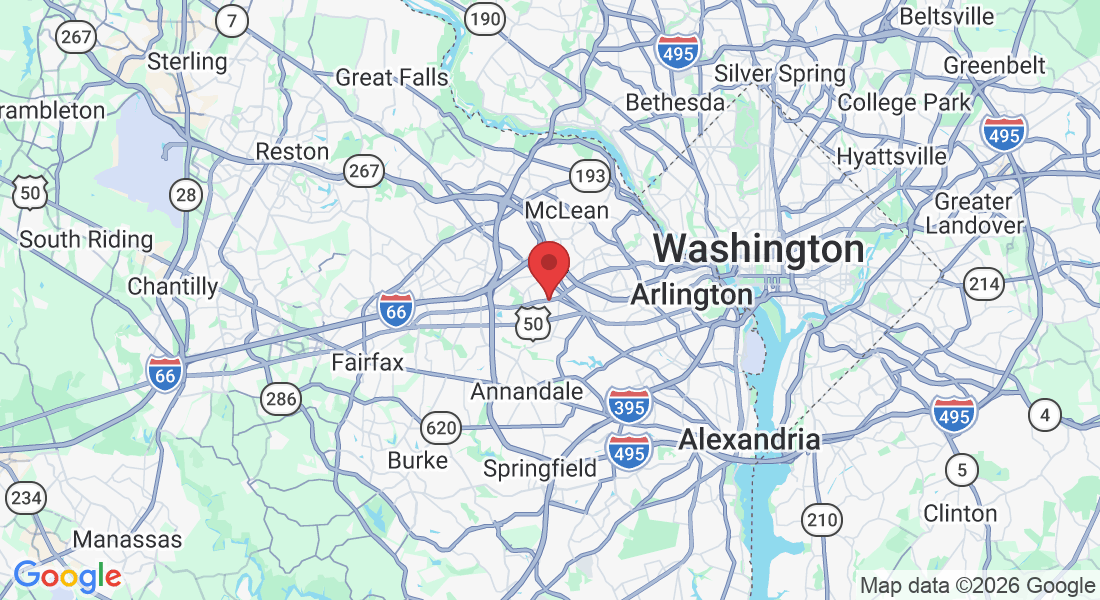
Address: 7181 Lee Hwy, Falls Church, VA 22046, United States
Email: [email protected]
Phone: +1 202-998-5445
Business hours
monday: 8am - 5pm
tuesday: 8am - 5pm
wednesday: 8am - 5pm
thursday: 8am - 5pm
friday: 8am - 5pm
Copyright 2026. BOZ Engineering Group. All rights reserved.
