
Building Code Compliance Review in DC, Maryland & Virginia
Building code compliance isn't something you want to discover you're missing after you've submitted your plans — or worse, after the building official shows up with a violation notice. BOZ Engineering Group provides building code compliance reviews, pre-submission plan audits, and code violation response engineering for residential and commercial projects throughout Washington DC, Maryland, and Virginia. We submit to DC, Fairfax County, Arlington, Montgomery County, and jurisdictions across the DMV every week — so we know exactly what plan reviewers flag, what the fire marshal looks for, and what triggers comment letters that delay your project. Whether you need a pre-submission review to catch problems before the county does, a compliance report for a change of use, or structural design to bring an existing building into code compliance, BOZ delivers the engineering and documentation to get you through the process.
Who This Is For
Property owners undergoing a change of use — You're converting a retail space to a restaurant, an office to residential units, or a warehouse to mixed-use. Change of use triggers code compliance requirements that can derail the project if you're not prepared.
Architects wanting pre-submission plan review — You've completed your drawings and want a second set of eyes — specifically, eyes that know exactly what your jurisdiction's plan reviewer will flag — before you submit and start the review clock.
Contractors who got kicked back by plan reviewers — Your permit submission came back with comment letters citing code deficiencies. You need an engineer who knows how to address each comment, revise the plans, and get you to approval.
Building owners facing code violation notices — You've received a notice from the building department or fire marshal citing code violations. You need an engineer to assess the violations, determine what's required to come into compliance, and produce the engineering and documentation to resolve them.
Developers converting building types — You're repositioning a property — commercial to residential, single-family to multi-unit, or any change that triggers a review of the existing structure against current building code requirements.
Dealing with a code issue or want to avoid one? Call us at +1 202-998-5445 — we review code compliance for DMV projects every week and can tell you where you stand quickly.
Why Code Compliance Review Saves Projects from Expensive Delays
The most expensive way to discover a code compliance issue is to have the plan reviewer discover it for you. Every comment letter adds 2 to 6 weeks to your timeline — and if the comments require design changes, additional engineering, or architectural revisions, the delay compounds. We see projects regularly where a pre-submission compliance review costing a few thousand dollars would have saved months of back-and-forth with the building department.
Change of use projects are particularly vulnerable. When a building changes occupancy type — retail to restaurant, office to residential, commercial to assembly — the building code requirements change with it. Fire ratings, means of egress, structural loads, accessibility, plumbing fixture counts, ventilation requirements — all of these may need to be upgraded to current code standards. Owners and developers frequently underestimate the scope of what a change of use triggers, and they find out the hard way at the permit counter or during a fire marshal inspection.
BOZ Engineering Group offers proactive code compliance review because we've seen what happens without it. We submit to DC, Maryland, and Virginia jurisdictions every week. We know what DCRA flags, what Fairfax County's plan reviewers focus on, what Arlington requires, and what Montgomery County interprets differently from everyone else. A compliance review from BOZ isn't a theoretical code analysis — it's a practical assessment by engineers who know exactly what your reviewer is going to look for.

Request a consult
call us now
Our Code Compliance Review Process
Step 1: Scope & Code Determination
We review your project — the current use, proposed use (if changing), the jurisdiction, and the specific code sections that apply. For existing buildings, we identify which codes apply to the existing structure vs. the new work, and which triggers require the existing building to be brought up to current code.
Step 2: Plan & Document Review
We review your architectural and structural plans line by line against the applicable codes. For existing buildings, we also review any available original construction documents, prior permits, and as-built conditions. We identify every code deficiency, non-conformance, and potential flag.
Step 3: Site Visit (If Needed)
For existing buildings, change of use projects, and violation responses, we visit the site to verify actual conditions against what the plans show. Field conditions often differ from what's on paper, and those differences frequently affect code compliance.
Step 4: Compliance Report & Recommendations
We produce a written compliance report documenting every finding — what's deficient, what code section it violates, and what's needed to correct it. For each finding, we provide specific remediation recommendations with estimated scope and cost implications.
Step 5: Remediation Design & Permit Support
If structural work is needed to bring the building into compliance, we design it — PE-stamped plans and calculations. We support the permit submission, respond to plan reviewer comments, and coordinate with the building department or fire marshal to close out the compliance issues.
What Your Code Compliance Review Package Includes
Full plan review against applicable building codes (IBC, IRC, local amendments)
Identification of code deficiencies, non-conformances, and potential plan reviewer flags
Occupancy and use classification verification
Structural code compliance assessment (load paths, lateral systems, connections)
Fire rating and fire separation requirements review
Means of egress analysis (corridors, exits, travel distances, exit widths)
ADA/accessibility structural requirements identification
Written compliance report with specific findings and remediation recommendations
Remediation design and PE-stamped plans (if structural work is needed to comply)
Permit submission support and plan reviewer response
Get Ahead Of Code Issues
Request a Compliance Review
A code compliance review from BOZ Engineering Group is the difference between a smooth permit approval and months of comment letters and revisions. We know what DC, Fairfax, Arlington, and Montgomery County plan reviewers flag — because we submit to them every week. Get your compliance review before you submit, not after.
Frequently Asked Questions
Building Code Compliance Review Questions — Answered by Our Team
Whether you're trying to avoid a comment letter, dealing with a code violation, or figuring out what a change of use triggers — these are the questions property owners, architects, and developers ask most about code compliance.
How much does a building code compliance review cost?
Code compliance review fees depend on the building size, complexity, and scope — whether it is a plan review, a full compliance report with remediation recommendations, or structural design to bring the building into compliance. We provide a fixed fee after reviewing your project. Call +1 202-998-5445 for a project-specific scope and quote.
How long does a code compliance review take?
Plan reviews take 1 to 2 weeks. If a site visit is needed (existing buildings, change of use, violation response), add a few days. If remediation design is required, the full process — review, design, and PE-stamped plans — takes 2 to 4 weeks.
When do I need a code compliance review?
The most common triggers are: before submitting for permit (pre-submission review), when changing the use or occupancy of a building, when renovating an older building (which may trigger current code requirements on the existing structure), and when responding to a code violation notice. If your project involves an existing building and a permit, a compliance review is almost always worth the investment.
My permit submission got comment letters — can you help?
Yes. We review the plan reviewer's comments, identify what changes are needed to address them, and produce revised plans and calculations. If the comments require structural work, we handle the design. Our goal is to resolve every comment in one resubmission cycle so your project moves forward.
What's triggered by a change of use?
When a building changes occupancy classification — for example, from retail (Mercantile) to restaurant (Assembly) or office (Business) to residential (Residential) — the building must comply with the code requirements for the new occupancy type. This can include structural upgrades (different floor loads), fire-rating improvements, additional exits, accessibility modifications, and MEP upgrades. The scope varies by project, but it's almost always more than owners expect.
Do older buildings have to meet current code?
Generally, existing buildings can remain under the code they were built under — until you make changes. Renovations, additions, and change of use can trigger requirements to bring part or all of the existing building up to current code. The International Existing Building Code (IEBC) provides different compliance paths depending on the scope of work, and we help determine which path applies to your project.
Can you help with fire marshal requirements?
Yes. Fire marshal requirements frequently involve structural work — fire-rated assemblies, occupancy separation walls, penetration firestopping, and structural support for fire suppression systems. We provide the structural engineering for fire compliance work and coordinate with the fire marshal's office to close out the requirements.
What jurisdictions do you handle code compliance for?
BOZ is licensed in DC, Maryland, Virginia, and Florida. We regularly handle code compliance projects throughout the DMV — Washington DC (DCRA), Fairfax County, Arlington County, Alexandria, Montgomery County, Prince George's County, and surrounding jurisdictions. Our weekly submission volume across these jurisdictions means we know the code and how each office interprets it.
BOZ Engineering Group
From Feasibility to Final Permit.
Licensed in DC | Maryland | Virginia | Florida
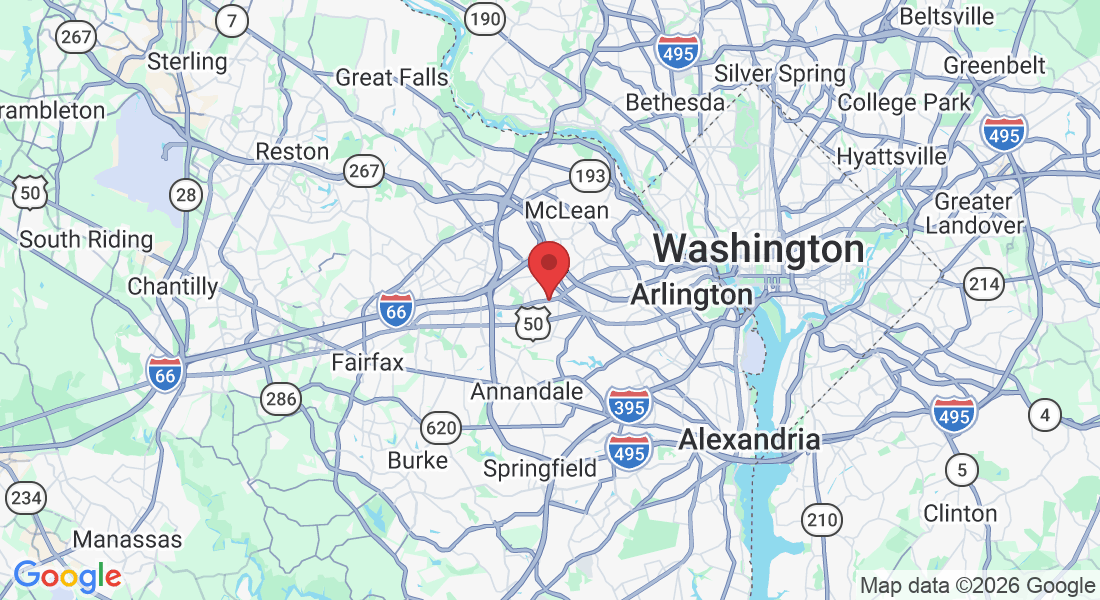
Address: 7181 Lee Hwy, Falls Church, VA 22046, United States
Email: [email protected]
Phone: +1 202-998-5445
Business hours
monday: 8am - 5pm
tuesday: 8am - 5pm
wednesday: 8am - 5pm
thursday: 8am - 5pm
friday: 8am - 5pm
Copyright 2026. BOZ Engineering Group. All rights reserved.
