
Load-Bearing Wall Analysis & Removal Engineering in DC, Maryland & Virginia
You want to open up your floor plan, and there is a wall in the way. Before anyone picks up a sledgehammer, you need to know two things: is that wall load-bearing, and if it is, what needs to replace it so the structure above stays safe and the permit office signs off. BOZ Engineering Group provides load-bearing wall analysis and removal engineering for homeowners, contractors, and remodelers across Washington DC, Maryland, Virginia, and Florida. We evaluate the wall, determine whether it carries structural load, design the replacement beam and post system if it does, produce PE-stamped structural drawings formatted for your jurisdiction, and deliver everything you need for permit — typically in 5 to 10 business days. This is one of the most common structural engineering services we provide, and we have done hundreds of them across the DMV. If you are thinking about removing a wall, this is where you start.
Who This Is For
Homeowners who want an open floor plan — You want to remove the wall between your kitchen and living room, open up a dining area, combine bedrooms, or create a great room. You have heard that walls might be load-bearing and you need an engineer to evaluate it and tell you what is possible. That is exactly what we do.
Contractors and remodelers who need PE-stamped plans — You know the wall needs to come out and you know a beam needs to go in. You need a structural engineer to design it, size it, and stamp it, so the drawings are ready for whichever review your permit gets and the work passes inspection. We deliver in 5 to 10 business days.
Homeowners who already removed a wall and need retroactive engineering — The wall is already out, the work was done without a permit, and now you need to get it approved after the fact. We handle these regularly. We can evaluate the existing conditions and produce the engineering documentation to help close out the permit.
Real estate agents and buyers who need structural verification — A home inspection flagged a potential un-permitted wall removal or sagging floors. You need a structural engineer to evaluate whether the work was done safely and whether it needs remediation before closing.
Kitchen and bath designers planning major layouts — Your design calls for removing walls or creating pass-throughs and you need engineering confirmation before you present the design to the client.
Wondering whether your wall is load-bearing? Call +1 202-998-5445 — we can usually give you a preliminary answer over the phone based on photos and a description of your home.
Why You Need a Structural Engineer Before Removing a Wall
A load-bearing wall is not just a divider — it is part of the structural system that holds up your house. It carries the weight of the floors, roof, and everything above it down to the foundation. When you remove a load-bearing wall without proper engineering, you remove a link in the load path. The structure above has to go somewhere, and without a properly designed beam and post system to replace that wall, it finds its own path — through sagging floors, cracking drywall, jamming doors, and in the worst case, structural failure.
The engineering for a load-bearing wall removal is straightforward when done by a qualified structural engineer. We evaluate the wall to determine what loads it carries — how many floors are above it, what the roof system looks like, and where the load path continues down to the foundation. We then design a replacement system — typically a steel or engineered wood beam supported by posts — sized to carry the same loads the wall was carrying. Every connection, bearing point, and post foundation is detailed so your contractor knows exactly how to build it and the building inspector knows exactly what to look for.
The consequences of getting it wrong are serious, and in DC and Montgomery County wall removals are kept out of the quick walk-in and Fast Track permit routes. BOZ Engineering Group delivers load-bearing wall removal engineering with a fixed fee quoted before work begins. Simple single-story removals with clear load paths require less engineering than multi-story homes with complex framing above the wall. Turnaround is 5 to 10 business days from the time we have the information we need to begin.

Request a consult
call us now
Our Load-Bearing Wall Removal Process
Step 1: Initial Consultation & Wall Evaluation
Call us or send photos and a description of the wall you want to remove. In many cases, we can give you a preliminary assessment over the phone — whether the wall is likely load-bearing, what the removal will involve, and what it will cost. For more complex situations, we may need to review your home's floor plan or visit the site.
Step 2: Load Path Analysis
We trace the load path through your home to understand exactly what the wall is carrying. This includes identifying the floor and roof framing above the wall, determining the tributary area, calculating the accumulated loads, and confirming how those loads travel down to the foundation. This analysis is the basis for everything that follows.
Step 3: Beam & Post Design
Based on the load analysis, we design the replacement beam — selecting the material (steel, LVL, glulam, or PSL), sizing the depth and width, and determining the span. We then design the support posts, including size, location, and connection to the beam above and foundation below. Every element is sized so the structure above is fully supported.
Step 4: Drawing Production & PE Stamp
We produce PE-stamped structural drawings showing the beam, posts, connections, and all relevant dimensions. The drawings include a framing plan, beam and post details, connection details, and a structural calculations package. Everything is formatted for the jurisdiction where you are pulling the permit.
Step 5: Permit Support & Inspection Coordination
We deliver the PE-stamped package to you or your contractor for permit submission. If the plan reviewer or building inspector has questions, we respond directly. Our goal is to get you from wall removal idea to approved permit as quickly as possible.
What Your Load-Bearing Wall Removal Package Includes
Site evaluation and load-bearing wall determination
Load path analysis from roof to foundation through the wall in question
Beam design — material selection (steel, LVL, glulam, or PSL) and sizing
Post design with bearing point locations and sizing
Connection details for beam-to-post and post-to-foundation
Structural calculations showing demand vs. capacity for every member
Foundation evaluation at post bearing points
PE-stamped structural drawings formatted for your jurisdiction
Code compliance verification per applicable building code
Permit-ready formatting for DC, Fairfax County, Arlington, Montgomery County, or other jurisdictions
Get Your Wall Removal Plans Started
Ready to Open Up Your Floor Plan?
Tell us which wall you want to remove. We will get back to you within one business day with a scope, timeline, and fee. Most projects are delivered within 5 to 10 business days from site visit.
Frequently Asked Questions
Structural Engineering Questions — Answered by Our Team
Whether you are a homeowner trying to figure out if a wall is load-bearing, a contractor waiting on plans, or a property owner dealing with an un-permitted removal — we have got the answers you need to move forward.
How much does it cost to get engineering for a load-bearing wall removal?
Load-bearing wall removal engineering fees depend on the complexity of the project. A single-story wall with a clear load path requires less engineering than a first-floor wall in a two-story home with complex framing above. We provide a fixed fee after reviewing your project scope — call +1 202-998-5445.
How long does it take to get PE-stamped plans for a wall removal?
Typical turnaround is 5 to 10 business days from the time we have the information needed to begin design. This includes evaluation, beam design, structural calculations, and PE-stamped drawings formatted for your jurisdiction.
How do I know if my wall is load-bearing?
Call us at +1 202-998-5445. In many cases, we can give you a preliminary assessment over the phone based on photos and a description of your home. Walls that run perpendicular to the floor joists above, walls directly below other walls, and walls that sit on foundation walls or beams below are commonly load-bearing. However, the only way to know for certain is to have a structural engineer evaluate it.
What kind of beam will replace the wall?
The beam material depends on the loads it needs to carry and the span. Steel beams are used for heavy loads and long spans. Engineered wood beams — LVLs, glulam, and PSLs — are used for lighter loads and shorter spans. We select the most cost-effective material that satisfies the structural requirements and fits within your ceiling height.
Do I need a permit to remove a load-bearing wall?
Yes. Removing a load-bearing wall is a structural change, and DC, Virginia, and Montgomery and Prince George's counties all require a building permit for it. Whether the drawings need a seal depends on where you live. DC requires a DC-licensed architect or engineer for structural work, and Prince George's County requires sealed plans for residential additions and alterations unless homeowners draw them for their own detached house. In Virginia, plans for a house of up to three stories can be prepared without a seal unless a structural element is a unique design, and Montgomery County requires sealed drawings when the work doesn't conform to the residential code, is attached to a townhouse, or is unusual or complex; in both, the reviewer can still ask for them. Our drawings are PE-stamped either way. Removing a load-bearing wall without a permit creates liability issues and will become a problem when you sell the home.
I already removed a wall without a permit. Can you help?
Yes. We handle retroactive engineering regularly. We evaluate the existing conditions — what beam was installed, how it is supported, and whether it meets structural requirements. If the existing work is adequate, we document it. If it is not, we design a remediation plan. Either way, we produce PE-stamped documentation to support closing out the permit.
Can you help with the permit application?
Yes. BOZ provides permitting support as a separate service. We can handle the full permit application, submit the drawings, and respond to plan reviewer comments on your behalf. Ask us about adding permitting to your wall removal scope.
What about the HVAC ducts, electrical, and plumbing in the wall?
Removing a load-bearing wall often means relocating mechanical, electrical, or plumbing systems that run through it. BOZ provides MEP engineering for these relocations under the same contract. We design the structural replacement and the MEP relocation as a coordinated package.
BOZ Engineering Group
From Feasibility to Final Permit.
Licensed in DC | Maryland | Virginia | Florida
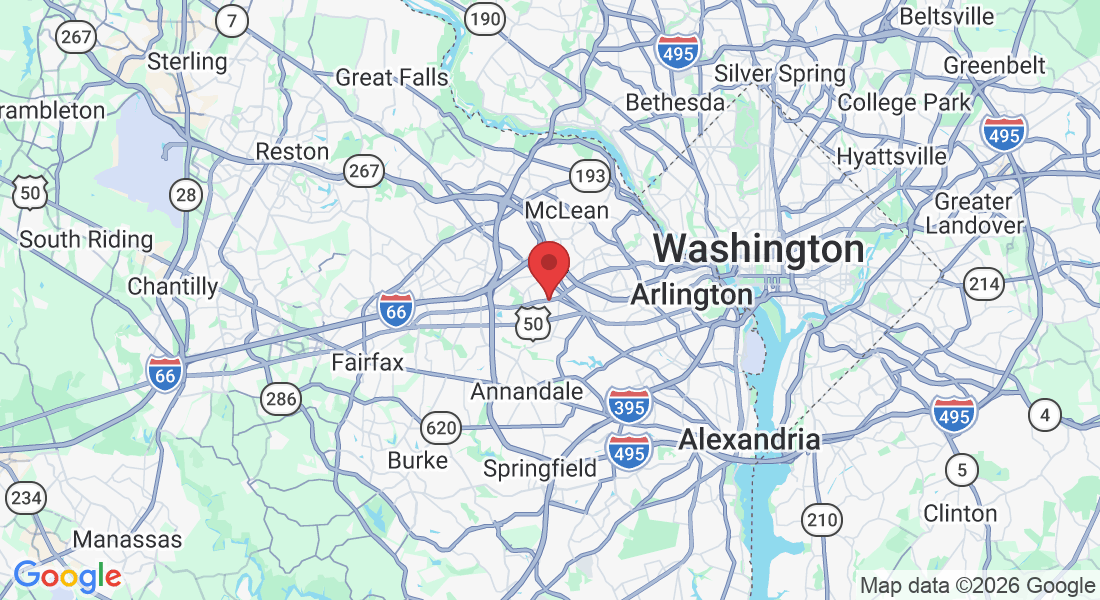
Address: 7181 Lee Hwy, Falls Church, VA 22046, United States
Email: [email protected]
Phone: +1 202-998-5445
Business hours
monday: 8am - 5pm
tuesday: 8am - 5pm
wednesday: 8am - 5pm
thursday: 8am - 5pm
friday: 8am - 5pm
Copyright 2026. BOZ Engineering Group. All rights reserved.
