
Retaining Wall Design & Engineering in DC, Maryland & Virginia
A retaining wall isn't a landscaping feature — it's a structural element holding back thousands of pounds of soil, water, and surcharge pressure. BOZ Engineering Group provides PE-stamped retaining wall design for residential and commercial properties across Washington DC, Maryland, and Virginia. Because BOZ has in-house geotechnical capabilities, your retaining wall is designed using actual soil pressure data from your site — not assumed values from a textbook. Whether you're building a new wall, replacing a failing one, or need engineering for a complex site with multiple grade changes, BOZ delivers wall designs that account for the real forces acting on them and pass permit review in your jurisdiction.
Who This Is For
Homeowners with sloped properties — You need a retaining wall to manage grade changes on your lot, create usable yard space, or protect a structure from a hillside. You want an engineered solution that lasts, not a stacked-block wall that leans within a few years.
Contractors building retaining walls — You're installing walls over 4 feet and the jurisdiction requires PE-stamped engineering. You need design documents fast, with clear construction details your crew can build from.
Landscape architects needing structural calcs — You've designed the grading and hardscape, and now you need a structural engineer to produce the retaining wall calculations and PE-stamped details that make the design buildable and permittable.
Developers with commercial grading requirements — Your site has grade changes that require engineered retaining walls as part of the site development. You need walls designed for the actual soil conditions, surcharge loads, and drainage requirements.
Property owners with failing retaining walls — Your existing wall is leaning, cracking, or showing signs of failure. You need an engineer to evaluate the problem and design a repair or replacement solution.
Have a retaining wall project or a wall that's showing signs of failure? Call us at +1 202-998-5445 — we'll tell you what's needed and what it'll cost.
Why Retaining Walls Fail — And How Engineering Prevents It
The number one reason retaining walls fail is that they were designed (or built) without understanding the actual forces acting on them. A retaining wall isn't just holding back dirt — it's resisting lateral earth pressure, hydrostatic water pressure, surcharge loads from nearby structures or vehicles, and potentially seismic forces. When a wall is designed using assumed soil values instead of actual geotechnical data, the design underestimates or overestimates these forces, leading to walls that lean, crack, or collapse.
The second most common failure is drainage. Retaining walls need drainage systems behind them — gravel backfill, drain pipes, weep holes — to prevent water from building up and creating hydrostatic pressure against the back of the wall. We see failing walls all the time where the structure itself was adequate, but nobody designed the drainage. The water had nowhere to go, the pressure built up, and the wall moved.
BOZ Engineering Group addresses both problems by starting with real data. We coordinate geotechnical investigation to determine the actual soil properties on your site — unit weight, friction angle, cohesion, groundwater level. Then we design the wall for those real values, with proper drainage, reinforcement, and construction details. The result is a wall that holds back what it needs to hold back, drains what it needs to drain, and doesn't become someone else's repair project in five years.

Request a consult
call us now
Our Retaining Wall Design Process
Step 1: Site Visit & Grade Assessment
We visit the site to assess the grade change, identify any existing walls or structures nearby, evaluate drainage patterns, and understand the full scope of the retaining wall project. We document existing conditions and identify what geotechnical data is needed.
Step 2: Geotechnical Investigation
We coordinate soil borings or test pits to determine the actual soil properties at your site — soil type, unit weight, internal friction angle, cohesion, and groundwater level. These values drive the entire wall design. For projects where geotechnical data already exists, we review and apply it.
Step 3: Wall Design & Engineering
Our PE designs the retaining wall for the actual soil pressures, surcharge loads, water conditions, and seismic requirements at your site. This includes wall type selection, structural sizing, reinforcement design, drainage detailing, and global stability analysis. Every design parameter is documented in the structural calculations.
Step 4: Drawing Production & PE Stamp
We produce PE-stamped retaining wall plans, cross-sections, and construction details — including reinforcement, drainage, backfill specifications, and connection details for tiered or multi-segment walls. All drawings are formatted for the specific jurisdiction where you're submitting.
Step 5: Permit Support & Construction Guidance
We support your permit application and respond to plan reviewer comments. During construction, we're available for field questions and can provide construction observation if the project or jurisdiction requires it.
What Your Retaining Wall Design Package Includes
Site assessment and grade evaluation
Geotechnical coordination — soil pressure values from actual site data
Wall type selection (segmental block, cast-in-place concrete, soldier pile, gabion, cantilever, gravity)
Structural design for lateral earth pressure, surcharge, hydrostatic pressure, and seismic loads
Reinforcement design — geogrid, rebar, tiebacks as required
Drainage system design — gravel backfill, perforated pipe, weep holes
PE-stamped wall plans, sections, and construction details
Structural calculations for plan review
Global stability analysis for walls on slopes or near structures
Permit submission support and plan reviewer response
Engineer Your Retaining Wall
Request a Retaining Wall Design
Don't build a retaining wall based on assumptions. BOZ Engineering Group designs PE-stamped retaining walls using actual geotechnical data from your site — with proper drainage, reinforcement, and construction details that hold up under the real forces acting on them.
Frequently Asked Questions
Structural Engineering Questions — Answered by Our Team
Whether you're building a new retaining wall, fixing one that's failing, or figuring out if you even need engineering — these are the questions we hear most from homeowners, contractors, and developers in the DMV.
How much does retaining wall engineering cost?
Retaining wall design fees depend on wall height, length, site complexity, soil conditions, proximity to structures, and whether geotechnical investigation is needed. We provide a fixed fee after evaluating the project scope. Call +1 202-998-5445 for a project-specific quote.
Do I need an engineer for my retaining wall?
In most DC, Maryland, and Virginia jurisdictions, retaining walls over 4 feet in height (measured from the bottom of the footing to the top of the wall) require PE-stamped engineering and a building permit. Even walls under 4 feet may require engineering if they support a surcharge (like a driveway, structure, or slope above the wall). If you're not sure, call us — we'll tell you.
How long does retaining wall design take?
Residential retaining wall design takes 2 to 3 weeks once we have geotechnical data. Commercial walls take 3 to 6 weeks depending on complexity. If geotechnical investigation is needed, add 1 to 2 weeks for soil borings and lab results. We'll provide a specific timeline when we scope your project.
Why is my existing retaining wall leaning?
The most common causes are inadequate drainage (water building up behind the wall), insufficient reinforcement for the actual soil pressure, poor backfill material, or the wall was never engineered in the first place. We can evaluate your wall, identify the cause, and design a repair or replacement solution.
Do I need geotechnical testing for a retaining wall?
For any engineered retaining wall, soil data is important — the design is directly based on soil pressure values, which come from knowing the soil type and properties on your site. BOZ coordinates geotechnical investigation in-house so it's seamless. For smaller residential walls on typical soil, we may be able to use conservative design values, but actual data always produces a more efficient and reliable design.
What type of retaining wall is best for my property?
It depends on the height, loading, aesthetics, and site conditions. Segmental block walls work well for residential applications up to about 6 feet with geogrids. Cast-in-place concrete is stronger and better for taller walls or heavy loads. We'll recommend the right wall type for your specific situation after evaluating the site.
Can you fix my retaining wall without replacing it?
Sometimes. If the wall structure is still sound but it's moving due to drainage issues or a localized problem, repair may be possible — adding drainage, installing tiebacks, or reinforcing a specific section. If the wall has failed structurally, replacement is usually the better investment. We assess both options and recommend the most cost-effective path.
What areas do you serve for retaining wall engineering?
BOZ is licensed in DC, Maryland, Virginia, and Florida. We design retaining walls throughout the DMV — Washington DC, Arlington, Falls Church, Fairfax, Alexandria, McLean, Bethesda, Silver Spring, Rockville, and beyond. In Florida, we serve Tampa, Miami, Fort Lauderdale, Orlando, Jacksonville, and Palm Beach.
BOZ Engineering Group
From Feasibility to Final Permit.
Licensed in DC | Maryland | Virginia | Florida
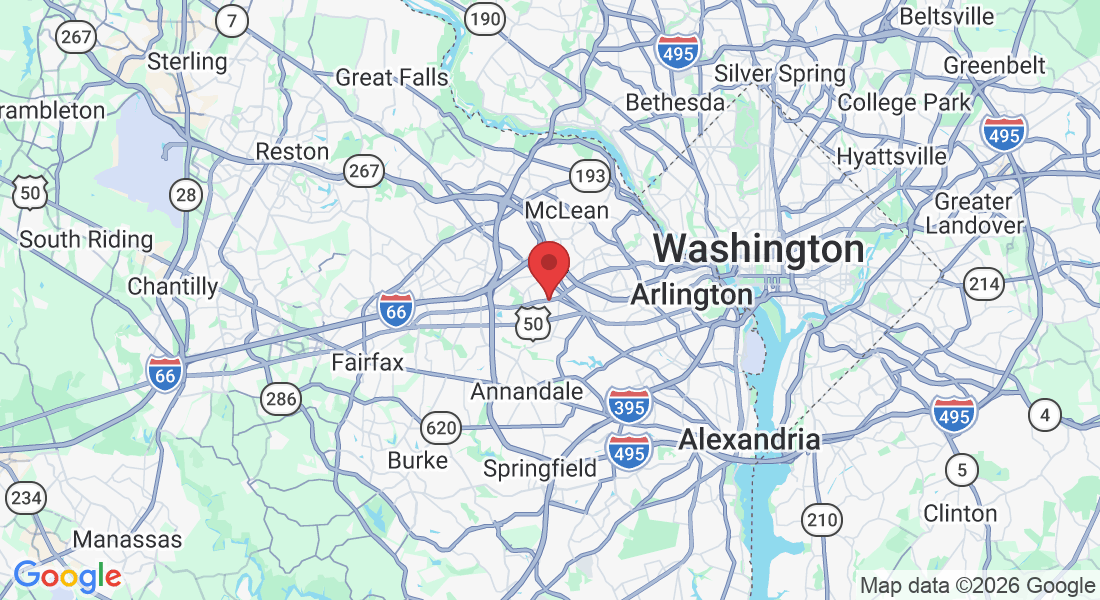
Address: 7181 Lee Hwy, Falls Church, VA 22046, United States
Email: [email protected]
Phone: +1 202-998-5445
Business hours
monday: 8am - 5pm
tuesday: 8am - 5pm
wednesday: 8am - 5pm
thursday: 8am - 5pm
friday: 8am - 5pm
Copyright 2026. BOZ Engineering Group. All rights reserved.
