
Roof Truss & Framing Design in DC, Maryland & Virginia
Your roof system carries every environmental load your building faces — snow, wind, rain, and its own weight — and transfers those loads down through the structure to the foundation. BOZ Engineering Group provides PE-stamped roof framing design, truss engineering, and roof structural analysis for residential and commercial projects across Washington DC, Maryland, Virginia, and Florida. We design for the specific wind and snow loads required by your jurisdiction, coordinate directly with truss manufacturers, and produce structural plans formatted for permit. Whether you're framing a new roof, adding a dormer, converting a flat roof to a pitched system, or verifying that your roof can handle solar panels or rooftop equipment, BOZ delivers roof engineering built for your loads and your local code.
Who This Is For
Contractors needing roof framing plans — You're building a new home or addition and need PE-stamped roof framing plans — rafter sizes, truss layouts, ridge beams, load paths — formatted for permit and ready for your framer to build from.
Homeowners adding dormers or changing rooflines — You're modifying your roof for more headroom, a new window, or a design upgrade. These projects require structural engineering to ensure the new roof ties into the existing structure and handles the loads.
Truss manufacturers needing sealed engineering — You manufacture trusses and need a licensed PE to review, seal, and stamp the truss designs for a specific project and jurisdiction. BOZ coordinates directly with your shop drawings.
Architects designing complex roof systems — You've designed a roof with valleys, hips, dormers, or mixed framing systems, and you need a structural engineer who can turn your architectural roof plan into buildable structural framing.
Roofers dealing with structural damage or sagging — You pulled back the roofing and found structural issues — sagging rafters, damaged trusses, or rot. You need a PE to evaluate the damage and design a repair or reinforcement solution.
Have a roof framing project or need to verify your roof structure? Call us at +1 202-998-5445 — we'll scope the engineering and give you a timeline.
Why Roof Framing Design Requires Local Load Data
Roof systems are designed for specific load combinations — dead loads (the weight of the roof itself), live loads, snow loads, and wind loads — and these values vary by jurisdiction. The snow load required in Fairfax County is different from Montgomery County. The wind speed design criteria in Florida are dramatically different from Virginia. A roof designed with incorrect load values may look fine on paper but fail when it sees the loads it was never designed for.
The most common roof framing failure we see is undersized members — rafters, ridges, or headers that are too small for the actual span and loading. This happens when framing is designed using rules of thumb instead of engineering, when load tables are misread, or when the design doesn't account for cumulative loads from concentrated point loads, rooftop equipment, or future additions like solar panels. The result is sagging, deflection, cracking at the connections, and in severe cases, progressive failure during a storm.
BOZ Engineering Group designs roof framing systems from actual load calculations specific to your project and jurisdiction. We coordinate with truss manufacturers to ensure shop drawings match the structural design. We detail the connections — hurricane straps, Simpson ties, ridge connections, bearing points — that transfer loads through the roof system to the walls and foundation below. The result is a roof structure that performs under load and passes inspection without callback.

Request a consult
call us now
Our Roof Framing Design Process
Step 1: Project Review & Load Determination
We review the architectural roof plan, determine the applicable loads (snow, wind, dead, live) for the project location and jurisdiction, and identify any special conditions — rooftop equipment, solar panels, green roof systems, or unusual geometries that affect the structural design.
Step 2: Framing System Design
Our PE designs the roof framing system — selecting between stick-framing (rafters and ridge beams), engineered trusses, or hybrid systems based on the span, loading, and architectural requirements. We size every member, design the load paths, and verify deflection and capacity.
Step 3: Truss Manufacturer Coordination
If the project uses manufactured trusses, we coordinate with the truss supplier — reviewing their shop drawings against our structural design, verifying load assumptions, and sealing the engineering as required. This eliminates the disconnect between the structural engineer's intent and the truss manufacturer's production.
Step 4: Drawing & Calculation Production
We produce PE-stamped roof framing plans, sections, connection details, and a complete structural calculation package. All documents are formatted for the jurisdiction where you're submitting — whether that's DC, Fairfax County, Arlington, Montgomery County, or a Florida jurisdiction.
Step 5: Permit Support & Field Coordination
We submit or support your permit application and respond to plan reviewer comments. During construction, we're available for framer questions, field changes, and inspection coordination to ensure the roof system is built as designed.
What Your Roof Framing Design Package Includes
Roof load analysis — dead, live, snow, and wind loads per local code and jurisdiction
Rafter and ridge beam sizing with span and spacing verification
Truss layout and specifications (coordinated with truss manufacturer if applicable)
Hip, valley, and jack rafter design for complex roof geometries
Connection details — hurricane straps, clips, hold-downs, ridge connections, bearing hardware
Wind uplift analysis and compliance with local wind speed requirements
PE-stamped roof framing plan with sections and details
Structural calculations for plan review and permit submission
Coordination with architectural roof plan and overall building structure
Permit support and plan reviewer response if comments are issued
Engineer Your Roof System
Request Roof Framing Design
Whether you're building new, adding a dormer, or verifying an existing roof for additional loads — BOZ Engineering Group delivers PE-stamped roof framing design based on actual wind and snow loads for your jurisdiction. Coordinated with truss manufacturers. Formatted for permit. Built to perform.
Frequently Asked Questions
Roof Truss & Framing Design Questions — Answered by Our Team
From pricing and timelines to load requirements and truss coordination, these are the questions contractors, homeowners, and architects ask most about roof framing engineering.
How much does roof framing design cost?
Roof framing design fees depend on the complexity of the roof system, building size, and whether the project is residential or commercial. Standard roof systems require less engineering than complex designs with multiple hips, valleys, dormers, or mixed framing. We provide a fixed quote after reviewing your project.
How long does roof framing design take?
Residential roof framing takes 1 to 3 weeks once we have architectural plans. Commercial projects take 3 to 6 weeks. If the project involves truss manufacturer coordination, we account for their shop drawing timeline in our overall schedule.
Do I need an engineer for my roof, or can my contractor size the rafters?
Sometimes your contractor can. The residential code includes span tables for conventional rafters, and a simple roof framed within those tables doesn't always need an engineer. You need one when the roof needs a structural ridge beam, when spans or loads go beyond what the tables cover, when the design is unique or complex, or when the building department asks for sealed drawings. Manufactured trusses come with truss design drawings that the building department approves before installation, and we check them against the structural plan. In Florida, we design roof framing to the wind requirements of the Florida Building Code for the specific site.
Can my existing roof support solar panels?
Possibly — but it depends on the existing framing capacity and the additional load the panels add. Solar panels typically add 3 to 5 pounds per square foot of dead load, plus wind load considerations for the mounting system. We analyze your existing roof structure and determine whether it can handle the additional load as-is, or if reinforcement is needed.
What's the difference between trusses and stick-framing?
Trusses are factory-built triangulated assemblies that span wall-to-wall without intermediate support — they're efficient and fast to install. Stick-framing uses individual rafters, ridge beams, ceiling joists, and collar ties built on-site — more flexible for complex roof shapes and cathedral ceilings. We recommend the right system based on your roof geometry, span, and architectural requirements.
Do you coordinate with truss manufacturers?
Yes. We work directly with truss suppliers to review their shop drawings, verify load assumptions match our structural design, and seal the engineering. This coordination eliminates the common problem where the structural engineer designs one thing and the truss manufacturer produces something slightly different.
My roof is sagging — can you help?
Yes. We evaluate the existing roof structure to determine the cause of the sagging — undersized members, connection failure, overloading, moisture damage, or removal of load-bearing elements. Then we design a repair or reinforcement solution — sistering rafters, adding support beams, or replacing damaged components — with PE-stamped plans for permit.
What are hurricane straps and do I need them?
Hurricane straps are metal connectors that tie the roof framing to the wall structure below, creating a continuous load path that resists wind uplift. They're required by code in Florida and increasingly required in other jurisdictions. In high-wind areas, a complete load path from roof to foundation using hurricane straps, clips, and hold-downs is essential. BOZ details the full connection system for every jurisdiction we serve.
BOZ Engineering Group
From Feasibility to Final Permit.
Licensed in DC | Maryland | Virginia | Florida
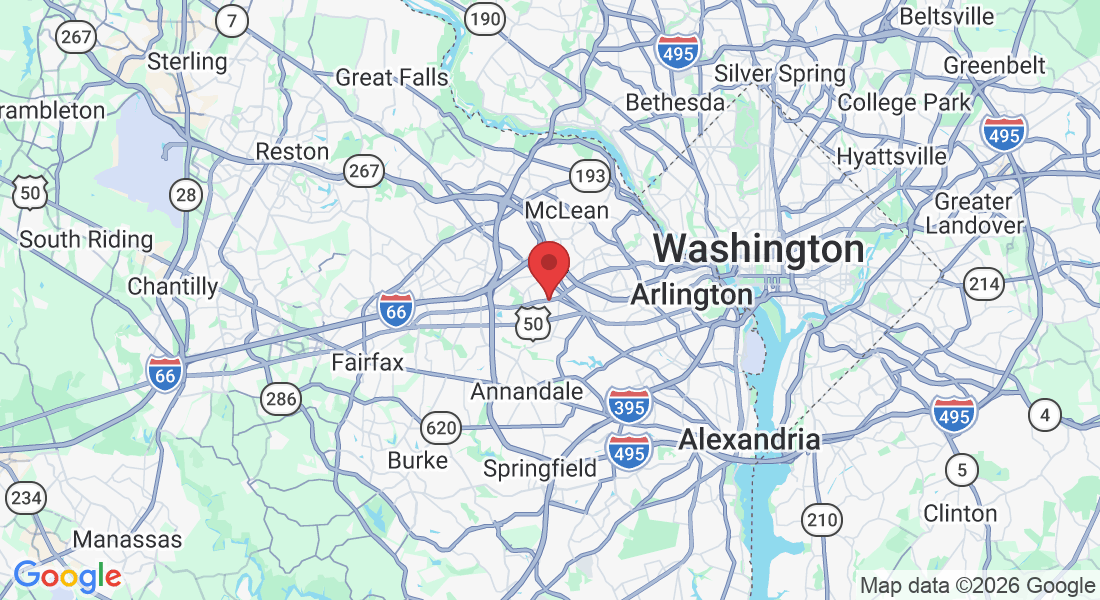
Address: 7181 Lee Hwy, Falls Church, VA 22046, United States
Email: [email protected]
Phone: +1 202-998-5445
Business hours
monday: 8am - 5pm
tuesday: 8am - 5pm
wednesday: 8am - 5pm
thursday: 8am - 5pm
friday: 8am - 5pm
Copyright 2026. BOZ Engineering Group. All rights reserved.
