Water in Basement? What It Means for Your Foundation
By Koray Bozkurt, PE, PMP - Founder & Principal Engineer, BOZ Engineering Group. Last updated September 2026.
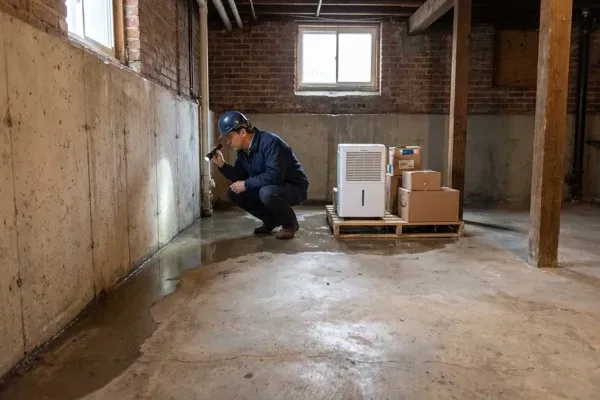
A 1-inch rainstorm drops about 1,743 gallons of water on a 40-by-70-foot roof (USGS Water Science School, 2019), and every gallon has to go somewhere. When gutters overflow, a downspout empties at the wall, or the yard slopes toward the house, much of it soaks into the soil against your foundation. Water in basement corners, along the floor, or under a window is where that story becomes visible.
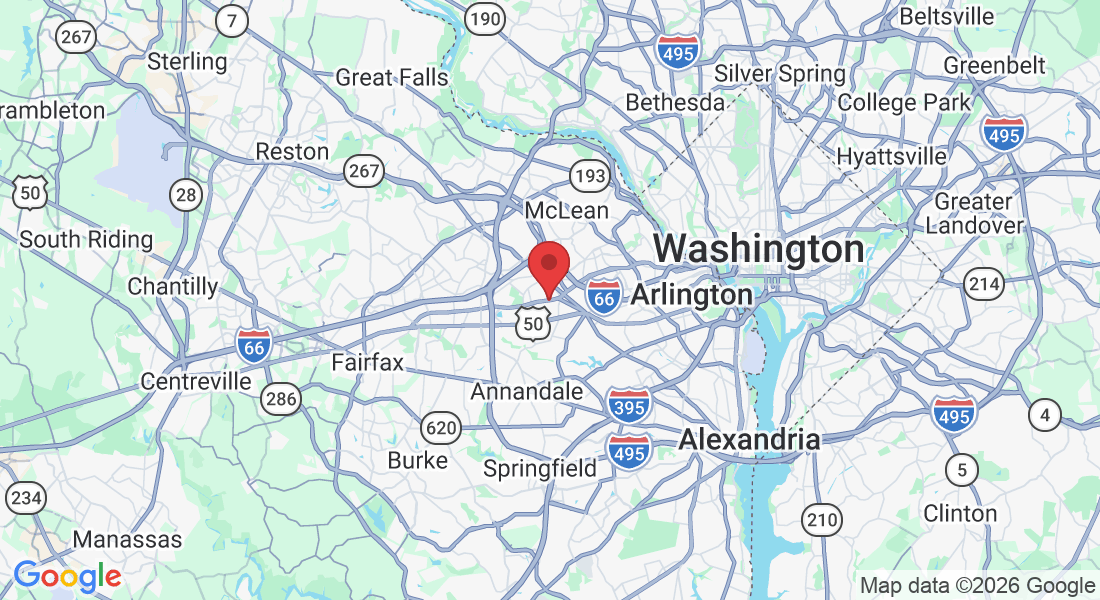
Washington’s Reagan National Airport averages 41.82 inches of precipitation a year (NOAA NCEI, 2021), so DMV basements get tested often. This guide maps where the water comes from, how to read the symptoms, what to do first, and when water in the basement after heavy rain points to a foundation problem.
Key Takeaways
- Most wet basements start outside. Northern Virginia’s conservation district says “most wet basements are a result of water problems outside of the house” (NVSWCD, 2026).
- The 2021 IRC requires the grade to fall at least 6 inches within the first 10 feet of the foundation (ICC, 2021 IRC, 2021), and Virginia adopted the 2021 I-codes in 2024 (Virginia DHCD, 2024).
- Timing is a clue: water during a storm usually means surface water, while seepage hours or days later usually means groundwater pressure.
- Dry wet materials within 24-48 hours to prevent mold growth (EPA, 2026), then get the source diagnosed before anyone sells you a fix.
Why does water get in the basement after heavy rain?
Because the soil around your foundation fills with water faster than it can drain. The Northern Virginia Soil and Water Conservation District puts it plainly: “Most wet basements are a result of water problems outside of the house” (NVSWCD, 2026). Heavy rain overloads gutters, pools in low spots and saturates the backfill, and the water finds the easiest way in.
Once that soil is saturated, the water itself starts pushing. Engineers call this hydrostatic pressure: groundwater pressing sideways on the walls and upward on the slab. Concrete and masonry aren’t watertight, so the pressure drives water through cracks, the wall-floor joint, old tie-rod holes and gaps around pipes.
The DMV stacks the deck. Summer is the wettest season at Reagan National, averaging 11.78 inches (NOAA NCEI, 2021). In Fairfax County, marine clays that “swell upon wetting and shrink upon drying” occur widely east of Interstate 95, with poor drainage among their listed problems (NVSWCD, 2024). Why do two houses on one street behave differently in the same storm? Grading, drainage, soil, and foundation condition.
The 8 usual sources of basement water
Basement water almost always traces back to one of 8 places: surface runoff, gutters and downspouts, negative grading, failed footing drains, groundwater, foundation cracks, window wells, or plumbing. Chronic cases often combine two or three, which is why fixing only the most visible one often fails.
- Surface water. Runoff from driveways, patios or a higher neighboring lot pools against the house.
- Gutters and downspouts. The University of Maryland Extension recommends sending downspout water at least 10 feet from homes with basements (University of Maryland Extension, 2015).
- Negative grading. Section R401.3 of the 2021 IRC requires at least 6 inches of fall in the first 10 feet (ICC, 2021 IRC, 2021). Settled backfill can erase that slope.
- Footing drains. Section R405.1 requires drains around concrete or masonry foundations enclosing habitable or usable space below grade (ICC, 2021 IRC, 2021). Older drains clog, collapse or lose their outlet.
- Groundwater. Where a high water table is known, Section R406.2 calls for walls to be waterproofed, not just dampproofed (ICC, 2021 IRC, 2021).
- Foundation cracks. Shrinkage, settlement and pressure cracks all become leak paths once the soil is wet.
- Window wells. The 2021 IRC requires area wells at egress windows to drain into the foundation drainage system, except on well-drained soils (ICC, 2021 IRC, 2021). More in our basement egress window requirements guide.
- Plumbing and condensation. Leaks and condensation can mimic seepage; a wet floor on a dry day points here.
Reading the symptoms: a basement flooding triage table
Where and when the water appears narrows the source fast. Water that arrives during the storm, high on a wall or near a downspout, usually means surface water. Seepage hours or days later, along the floor-wall joint or through floor cracks, usually means saturated soil and groundwater pressure. Treat this as a first read, not a diagnosis.
| What you see | When | Likely source | Structural concern |
|---|---|---|---|
| Water at one wall, near a downspout | During the storm | Roof runoff at the foundation | Low, unless the wall is cracking |
| Wet stripe high on the wall or at the sill | During heavy rain | Surface water, negative grade | Check the sill for rot |
| Seepage along the floor-wall joint | Hours to days later | Saturated soil, failed footing drain | Moderate |
| Water through a wall crack | During or after rain | Crack acting as a leak path | Horizontal, stair-step or widening cracks need an engineer |
| Water rising through floor cracks | After long wet spells | High groundwater | Higher if the slab heaves |
| Wet floor with no rain | Any time | Plumbing or condensation | Call a plumber first |
For a damp wall, tape plastic sheeting over a 1-foot square for a day or two. Moisture underneath suggests water coming through; moisture on top suggests condensation.
When does water in basement walls mean a foundation problem?
Water alone doesn’t mean the foundation is failing, but some patterns signal structural trouble: horizontal or stair-step cracks, a wall bowing inward, cracks that widen between storms, a heaving floor, or rotted wood at the sill plate and joist ends. When water and movement show up together, treat it as structural until an engineer says otherwise.
The code draws the same line. Under the 2021 IRC, concrete or masonry foundation walls “subject to hydrostatic pressure from ground water” must be designed “in accordance with accepted engineering practice” (Section R404.1.1, ICC, 2021 IRC, 2021). A basement that sits in saturated soil every spring lives in exactly that condition.
Water also does slow damage: wood bearing on damp masonry can decay unnoticed for years. Our guide to the signs of foundation problems covers the full checklist, and if a wall is curving inward, read about the bowing basement wall before the next storm.
Not sure what you’re looking at? Book a consultation with a licensed engineer and bring your photos. Where the water came in usually tells us where to look first.
What should you do in the first 48 hours after water gets in?
Make it safe, stop what you can, and dry everything fast. EPA advises drying water-damaged areas and items within 24-48 hours to prevent mold growth (EPA, 2026). Document it, too: where water entered is the most useful evidence an engineer can get.
- Stay safe. Keep out of standing water near outlets or appliances until that area’s power is off.
- Document it. Photograph which wall, what height and how long after the rain started.
- Look outside while it’s raining. Watch for overflowing gutters, downspouts emptying at the wall and puddles against the foundation.
- Check the sump pump. FEMA’s flood insurance program suggests a battery backup so it keeps working in a power outage (FEMA, NFIP, 2023). If WSSC Water serves your home, never connect a sump pump to the sewer line; WSSC says that violates its plumbing code (WSSC Water, 2026).
- Dry and dehumidify. EPA recommends indoor humidity below 60 percent, ideally 30 to 50 percent.
For mold, follow EPA’s cleanup guidance or hire a remediation professional. BOZ is an engineering firm and doesn’t test for or remediate mold; our role is the moisture source and any structural damage.
How do you stop basement water at the source?
Fix the cause in order: outside and inexpensive first, inside and invasive only as needed. Clean and resize gutters, extend downspouts and restore the grade. If water still gets in, move to drainage (footing drains, interior drains, a sump) and, where walls are cracked or moving, a structural repair designed for the actual loads.
| Source | Typical fix | Who scopes it | Who builds it |
|---|---|---|---|
| Gutters and downspouts | Clean, resize, extend | Homeowner | Homeowner or gutter contractor |
| Grading or neighbor runoff | Regrade, swales, yard drains | Engineer; stamped plan where required | Grading contractor |
| Failed footing drain | Repair it, or add an interior drain and sump | Engineer confirms the failure | Drainage or waterproofing contractor |
| Cracks or bowing | Reinforcement, bracing or underpinning | Licensed PE, stamped drawings | Foundation contractor |
Why does the order matter? When it rains hard, an average-sized home can see “hundreds of gallons of runoff” coming off the roof (NVSWCD, 2017). Send that away at the surface and everything below grade has less work to do. See what a grading plan is for when regrading needs one, and our foundation repair cost guide for structural repair budgets.
What does an engineer check before anyone sells you a fix?
An engineer follows the water’s whole path, from roof edge to footing, then checks what it has done to the structure. The goal is a diagnosis you can hand to any contractor: the source, the structural consequence, and a repair designed around the cause rather than the symptom.
Outside, that means gutters, downspout discharge, the grade against the 6-inch-in-10-feet rule, and window wells. Inside, it means mapping cracks, checking walls for plumb, and probing sill plates and joist ends. When groundwater is the open question, a soil analysis fills in what’s underground.
“A lot of the wet basements I’m called out to start outside the house, with the grading, the gutters, or a drain that stopped working. Find where the water comes from first, then design the repair around that.” - Koray Bozkurt, PE
This isn’t a knock on contractors. They install the work, and a good one welcomes a clear scope. For site water, BOZ prepares PE-stamped grading and drainage plans; for the foundation, we provide foundation design and repair engineering. Buying a house with a damp basement? A structural inspection before buying puts the same eyes on it first.
Frequently Asked Questions
Is it normal to get a little water in the basement after heavy rain?
It’s common, but it isn’t normal for a house working as designed. The 2021 IRC expects the grade to fall 6 inches within the first 10 feet and foundation drains to carry water away (ICC, 2021 IRC, 2021). Water after every heavy rain means one of those systems isn’t keeping up.
Does homeowners insurance cover water in the basement?
Often not for flooding. FEMA’s National Flood Insurance Program notes that a homeowners policy doesn’t cover damage from flooding (FEMA, NFIP, 2023), and seepage coverage depends on your specific policy. Our guide to whether home insurance covers foundation repair explains the usual exclusions.
Will a sump pump stop water in my basement?
A sump pump removes water that reaches it; it doesn’t keep water away from the foundation. It works best with a working footing or interior drain, and FEMA’s flood program suggests a battery backup so it keeps running in a power outage (FEMA, NFIP, 2023). Fix gutters and grading first.
How fast does basement water turn into mold?
Fast enough that drying is urgent. EPA advises drying water-damaged areas and items within 24-48 hours to prevent mold growth, and keeping indoor humidity below 60 percent, ideally 30 to 50 percent (EPA, 2026). BOZ doesn’t test for or remediate mold; we find the moisture source and assess structural damage.
Do I need a permit to fix drainage around my house?
It depends on the work and the jurisdiction. Regrading, new drains and dry wells can trigger review. In Fairfax County, a rain garden or dry well project that disturbs more than 2,500 square feet needs a permit (NVSWCD, 2022). Our land disturbance permit guide covers DMV thresholds.
Talk to the Engineer Before You Pay for a Fix
If water keeps showing up after heavy rain, get an engineer’s assessment of the source and the structure. BOZ Engineering Group has served the DMV since 2008, and Koray Bozkurt is a licensed Professional Engineer (PE) in DC, Maryland, and Virginia. The engineer who does the site visit is the one who designs the fix. Schedule a consultation or call (202) 998-5445.
Water in the basement after heavy rain is a symptom, and the cause is usually outside: roof runoff, a grade sloping the wrong way, a failed drain, or groundwater. Fix it in order, from the gutters down, and treat water plus cracking or movement as a structural question.
Your next step is a diagnosis before a sales pitch. Start with our foundation design and repair service, and you’ll know exactly what work to ask a contractor for.
Koray Bozkurt, PE, PMP is the founder and principal engineer of BOZ Engineering Group, a structural, civil, geotechnical, and MEP engineering firm serving Washington DC, Maryland, Virginia, and Florida since 2008. A licensed Professional Engineer in DC, Maryland, Virginia, and Florida, he is WACEL certified in soil, concrete, foundation inspection, and structural masonry, and personally oversees the engineering on every BOZ project. Learn more about Koray.